

19th Century Sculpture: Movements, Materials, and the Transformation of Modern Sculptural Art
19th century sculpture represents one of the most transformative periods in the history of Western art. It was an era shaped by political revolutions, industrial progress, social change, urban development, and evolving artistic sensibilities that profoundly altered how sculpture was conceived, produced, and experienced.
Unlike earlier periods, when sculpture was primarily tied to religious patronage, aristocratic commissions, or institutional representation, the nineteenth century introduced new relationships between sculpture and public space, national identity, industrial production, and individual artistic expression.
It was also a century defined by tension between continuity and innovation. While many sculptors continued working within classical academic traditions, others began challenging inherited conventions, paving the way for the radical experimentation of twentieth-century sculpture.
Understanding 19th century sculpture means examining one of the most important transitional moments between traditional monumental art and modern sculptural practice.
Historical and Artistic Context
The nineteenth century was marked by major transformations:
- the Industrial Revolution
- rapid urbanization
- political upheaval
- the rise of nationalism
- bourgeois cultural expansion
- technological progress in manufacturing
These changes expanded the role of sculpture beyond churches, palaces, and royal commissions.
Sculpture increasingly occupied:
- public squares
- civic memorials
- urban monuments
- institutional buildings
- cemeteries
- architectural façades
As modern cities expanded, sculpture became a visible component of public identity and collective memory.
Major Artistic Movements in 19th Century Sculpture
Neoclassicism
At the beginning of the century, Neoclassicism remained highly influential.
Inspired by ancient Greek and Roman ideals, it emphasized:
- formal balance
- anatomical idealization
- rational proportion
- calm compositional harmony
Sculpture was understood as a continuation of classical artistic perfection.
Common materials included:
- marble
- bronze
Typical themes:
- mythological figures
- historical heroes
- allegorical subjects
- institutional portraiture
Romanticism
Romanticism introduced emotional intensity and dramatic expression.
In contrast to neoclassical restraint, Romantic sculpture explored:
- movement
- theatrical composition
- emotional dynamism
- individual subjectivity
Sculpture increasingly aimed to evoke feeling rather than ideal order.
Realism
By the mid-century, realism shifted attention toward social and psychological truth.
Characteristics included:
- naturalistic observation
- less idealized representation
- psychological portraiture
- broader thematic subject matter
Sculpture became more attentive to lived reality and human individuality.
Academic Sculpture
Academic traditions remained institutionally dominant throughout much of the century.
Academic sculpture combined:
- technical virtuosity
- monumental scale
- formal discipline
- classical compositional principles
Many public monuments created during this period belong to this tradition.
Symbolism and the Transition Toward Modernity
Toward the end of the century, some sculptors began moving away from rigid academic conventions.
Emerging concerns included:
- interior emotional expression
- formal simplification
- symbolic meaning
- material expressiveness
These developments laid essential groundwork for modern sculpture.
Materials Used in 19th Century Sculpture
Material selection reflected both inherited tradition and industrial transformation.
Marble
Marble remained one of the most prestigious sculptural materials.
Its advantages included:
- refined visual qualities
- excellent anatomical detail
- strong classical associations
Common applications:
- portrait sculpture
- allegorical works
- institutional commissions
Bronze
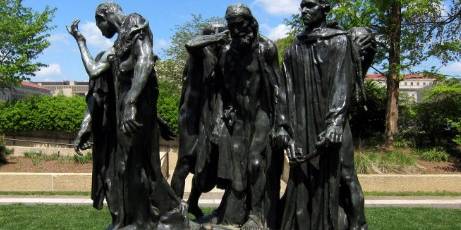
Bronze played a major role in public and monumental sculpture.
Advantages included:
- structural durability
- fine detail reproduction
- suitability for large-scale monuments
At Alfa Arte, our artistic foundry services continue this enduring sculptural tradition through contemporary bronze production and monumental artistic fabrication.
Stone
Stone remained important for:
- architectural sculpture
- funerary monuments
- civic decorative programs
Iron and Industrial Metals
Industrialization expanded material possibilities.
While less common in academic sculpture, iron and industrial materials introduced new structural possibilities that would become central to twentieth-century sculptural innovation.
Our expertise in metalworking and technical structures reflects this continuing dialogue between sculpture and engineered fabrication.
Sculptural Techniques
Modeling
A fundamental stage in nineteenth-century sculptural production.
Common materials:
- clay
- wax
- plaster
Modeling allowed detailed compositional development before execution in permanent materials.
Mold Making and Reproduction
The nineteenth century increasingly systematized sculptural reproduction processes.
Alfa Arte preserves this legacy through traditional mold making and artisanal techniques adapted for contemporary sculptural production.
Casting
Essential for public monuments and bronze sculpture.
Lost-wax casting techniques remained central and were refined further during the period.
Direct Carving
Still highly important for marble and stone sculpture.
This required substantial technical mastery and planning.
Public Sculpture and Monumentality
One of the most defining characteristics of nineteenth-century sculpture was the expansion of public monumentality.
Sculpture increasingly served:
- national commemoration
- civic identity
- political representation
- urban prestige
Common public forms included:
- equestrian monuments
- commemorative statues
- allegorical monuments
- civic portrait busts
The modern city became a sculptural environment.
The Transition Toward Modern Sculpture
By the late nineteenth century, sculptural language began shifting dramatically.
Artists increasingly explored:
- expressive material surfaces
- fragmentation
- emotional complexity
- rejection of academic rigidity
- more personal sculptural language
Sculpture gradually evolved from representational monumentality toward formal experimentation.
This transition directly shaped twentieth-century artistic developments.
Influence on Contemporary Sculpture
19th century sculpture left lasting legacies that remain visible today:
- public monument traditions
- bronze foundry practice
- sculptural portraiture
- urban integration
- technical professionalization
- monument engineering
Many contemporary sculptural practices continue to build on these foundations.
Final Thoughts: 19th Century Sculpture
19th century sculpture represents one of the most important transitional periods in sculptural history. It brought together classical tradition, emotional expression, industrial transformation, and emerging modern artistic experimentation.
From monumental civic commissions to technical innovations in casting and fabrication, this era established many of the structural and artistic principles that continue to define sculpture today.
At Alfa Arte, we see contemporary sculptural production as part of this historical continuum—combining artisanal knowledge, technical precision, and advanced fabrication to bring ambitious artistic projects into lasting physical form.