

Prehistoric Sculpture: Origins, Materials, and the First Expressions of Three-Dimensional Art
Prehistoric sculpture represents one of humanity’s earliest attempts to transform raw material into symbolic meaning. Long before monumental architecture, organized civilizations, or written language, human communities were already creating three-dimensional objects that carried ritual, spiritual, and cultural significance.
These early sculptures should not be understood merely as decorative artistic expressions in the modern sense. They emerged from complex symbolic worlds where survival, spirituality, identity, and collective belief were deeply interconnected.
In many ways, prehistoric sculpture marks the true beginning of three-dimensional artistic thought. Through simple tools and accessible materials, early humans developed visual languages that would eventually evolve into the sophisticated sculptural traditions of later civilizations.
Understanding prehistoric sculpture means exploring the origins of artistic representation itself.
What Is Prehistoric Sculpture?
Prehistoric sculpture refers to three-dimensional artistic or symbolic objects created before the invention of writing, spanning periods from the Paleolithic through the Neolithic and into the early Metal Ages.
These sculptural works may have served multiple purposes:
- ritual functions
- spiritual practices
- symbolic communication
- funerary use
- cultural identity
- territorial marking
- ceremonial expression
Unlike later historical sculpture, many of these works were not created as autonomous “art objects,” but as integral elements within social or spiritual systems.
Forms include:
- small human figurines
- animal carvings
- ritual objects
- relief-like carved surfaces
- megalithic sculptural forms
- proto-architectural symbolic elements
Historical Context
Prehistory encompasses vast stretches of human development:
- Paleolithic Period
- Mesolithic Period
- Neolithic Period
- Early Metal Ages
During these eras, humanity experienced major transformations:
- symbolic thinking
- specialized toolmaking
- gradual settlement patterns
- ritual development
- social organization
Sculpture emerged as part of this broader cognitive and cultural evolution.
The First Sculptures of the Paleolithic
Some of the earliest known sculptures date back tens of thousands of years.
These are typically small portable works.
Common characteristics include:
- reduced scale
- simplified forms
- strong symbolic content
- absence of classical realism
Paleolithic Female Figurines
Among the most famous examples are the so-called prehistoric Venus figurines.
Common features include:
- pronounced breasts
- enlarged abdomen
- exaggerated hips
- minimal or absent facial detail
Possible interpretations include:
- fertility symbolism
- motherhood
- abundance
- ritual femininity
- spiritual representation
These works remain among the foundational milestones of sculptural history.
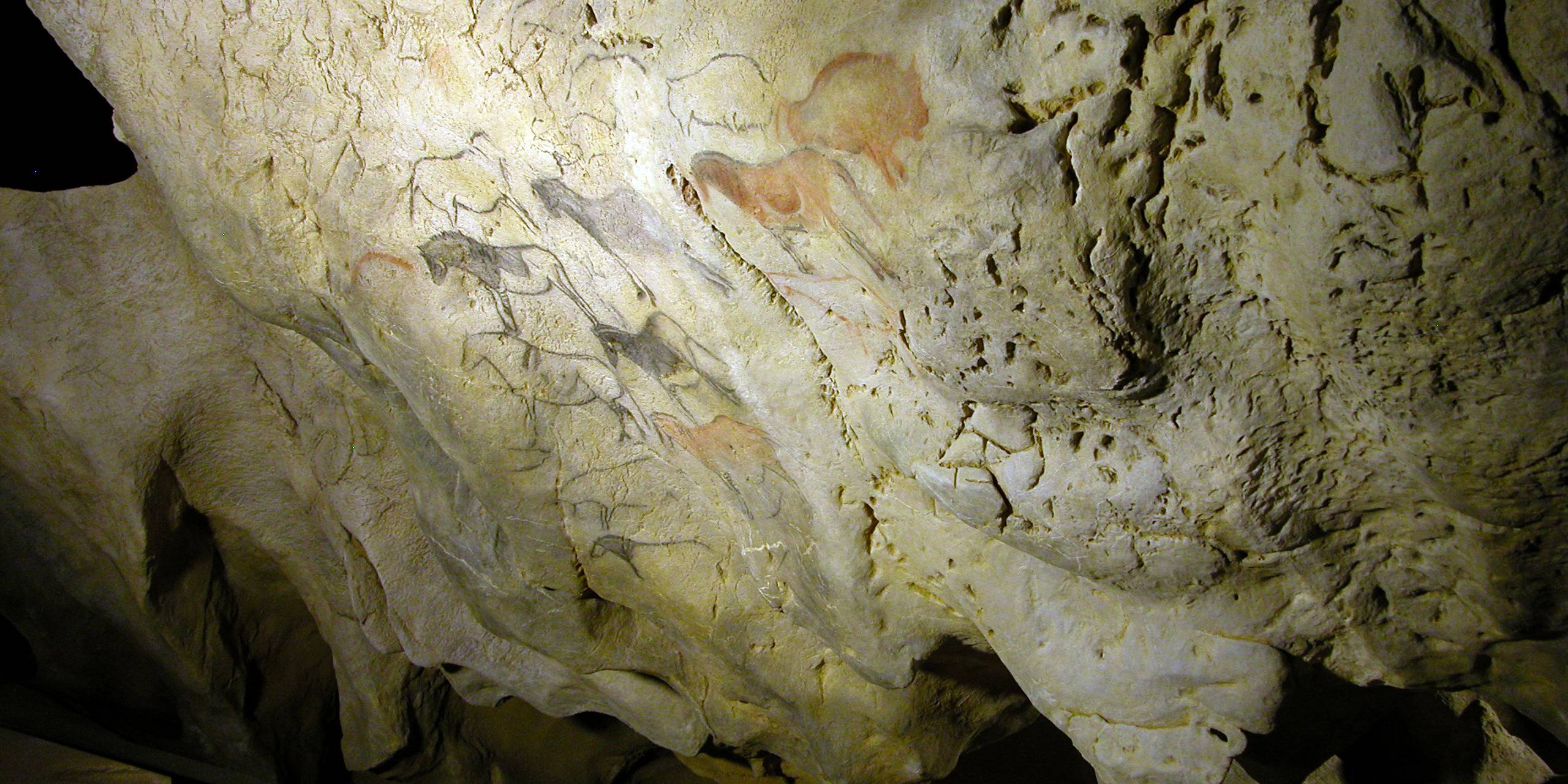
Animal Sculpture
Animals played a central role in prehistoric life.
As a result, sculptural representations often included:
- bison
- mammoths
- horses
- deer
- felines
These carvings may have been associated with:
- hunting rituals
- protective symbolism
- cosmological beliefs
- magical practices
Materials Used in Prehistoric Sculpture
Material choice depended largely on local availability and technical capacity.
Stone
One of the earliest and most durable sculptural materials.
Advantages:
- permanence
- accessibility
- relative workability depending on type
Used for:
- ritual figures
- symbolic carvings
- primitive relief forms
Bone and Ivory
Widely used in Paleolithic sculpture.
Advantages:
- workable detail
- portability
- availability through hunting cultures
Common applications:
- figurines
- animal carvings
- ceremonial objects
Clay
Especially relevant in later prehistoric periods.
Allowed direct shaping and early additive sculptural methods.
Clay represents an important precursor to more developed modeling traditions.
Wood
Rarely preserved archaeologically, but likely widely used due to accessibility.
Its absence in the archaeological record does not imply lack of sculptural use.
Early Sculptural Techniques
Compared to historical sculpture, prehistoric methods were technically simple—but conceptually groundbreaking.
Carving
Applied to:
- stone
- bone
- ivory
- wood
Tools likely included:
- flint implements
- sharpened stone tools
- natural abrasives
Modeling
Used with clay and other malleable materials.
Likely widespread, though preservation challenges limit surviving evidence.
Relief and Surface Incision
Some prehistoric sculptural works combined carved form with surface imagery.
Megalithic Sculpture
With the Neolithic transition and permanent settlements, sculpture evolved dramatically in scale.
Monumentality emerged.
Examples include:
- standing stones (menhirs)
- carved stelae
- dolmens with sculptural intervention
- anthropomorphic ritual stones
At this stage, sculpture moved beyond portable objects and became integrated into landscape, architecture, and collective ritual space.
Formal Characteristics of Prehistoric Sculpture
Prehistoric sculpture presents several defining visual qualities.
Formal Simplification
These works do not seek anatomical realism.
Instead, they emphasize:
- symbolic clarity
- visual reduction
- conceptual efficiency
- ritual functionality
Symbolic Focus
Representation often serves meaning rather than appearance.
Variable Scale
Works range from handheld figurines to monumental stone interventions.
Environmental Integration
Many prehistoric sculptures existed in direct relationship with:
- caves
- ritual spaces
- burial contexts
- natural landscapes
- sacred territorial markers
Cultural and Artistic Significance
Prehistoric sculpture reveals core human capacities:
- abstraction
- symbolic communication
- ritual thinking
- collective identity formation
- spatial imagination
It is not merely a technical ancestor of later sculpture.
It is the origin of sculptural thought itself.
Influence on Contemporary Sculpture
Modern and contemporary artists have frequently drawn inspiration from prehistoric sculpture.
Influential aspects include:
- formal reduction
- primal monumentality
- symbolic power
- material honesty
- direct engagement with nature
Many contemporary sculptural practices reinterpret these ancient principles.
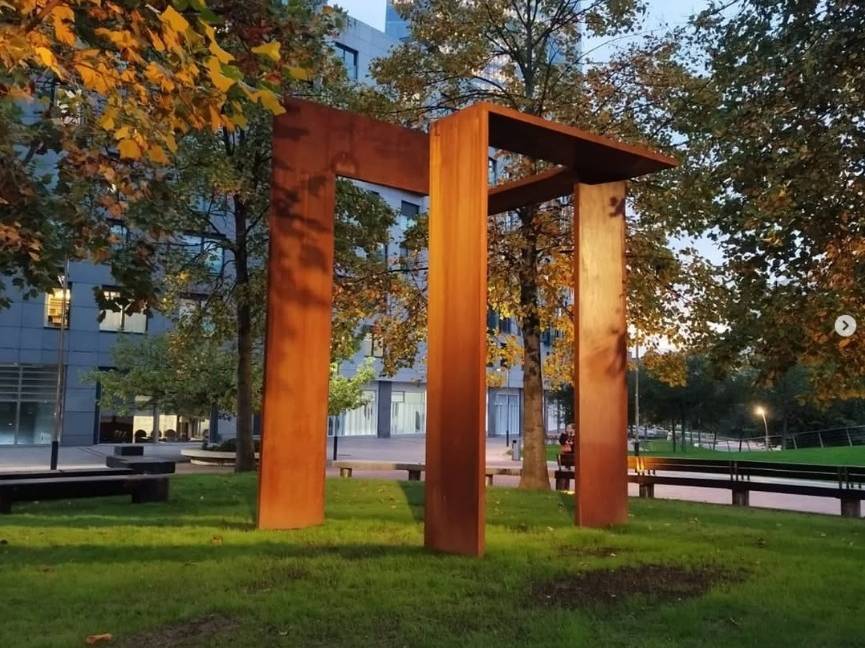
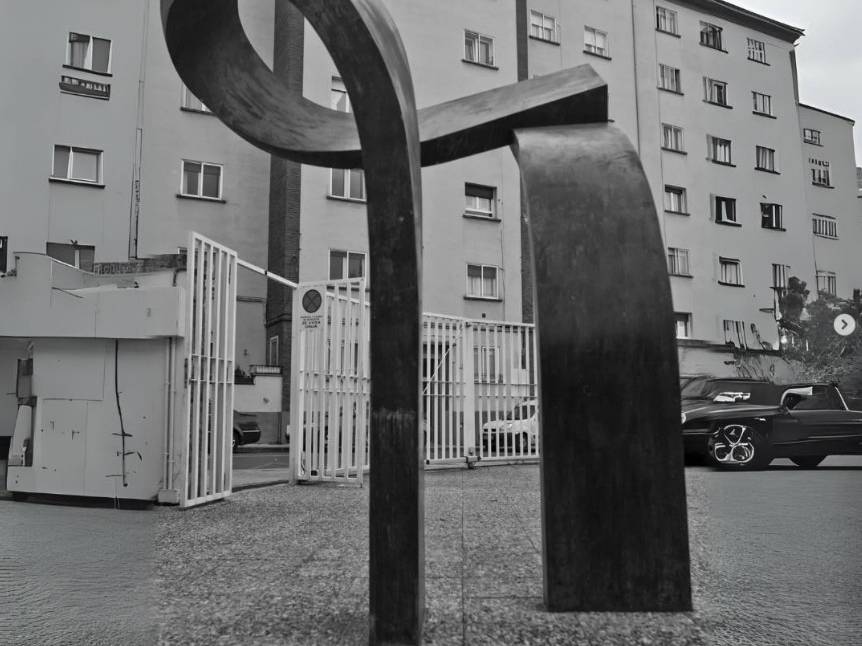
At Alfa Arte, large-scale sculptural projects often engage with these enduring relationships between form, space, and material through our expertise in metalworking and technical structures.
Conservation Challenges
Prehistoric sculptures face significant preservation challenges:
- erosion
- fragmentation
- environmental exposure
- contextual loss
- material fragility
Our experience in restoration and conservation is grounded in the same essential principle: preserving the long-term material and symbolic integrity of sculptural works.
Contemporary Technology and Reinterpretation
Today, prehistoric sculpture can be studied and reinterpreted through advanced technologies such as:
- 3D scanning
- digital reconstruction
- technical modeling
- advanced documentation
Alfa Arte integrates digital modeling and 3D scanning into the development of complex sculptural projects.
Final Thoughts: Prehistoric Sculpture
Prehistoric sculpture represents the beginning of three-dimensional artistic expression. Long before artistic academies, sculptural canons, or organized civilizations, humans already understood the transformative power of shaping material into symbolic form.
These early works speak of spirituality, survival, identity, and abstraction. Their influence remains visible in contemporary sculpture, reminding us that the sculptural impulse is deeply rooted in human nature.
At Alfa Arte, we understand sculpture as an ongoing dialogue between material, technique, and meaning—from humanity’s earliest symbolic carvings to contemporary large-scale artistic fabrication.