

Iron Sculpture: History, Techniques, and the Role of Iron in Contemporary Art
Iron sculpture occupies a distinctive place in the history of artistic production and contemporary sculptural fabrication. Unlike traditional sculptural materials associated with classical art—such as marble, stone, or bronze—iron introduces a structural, industrial, and highly expressive dimension closely linked to modern artistic practice.
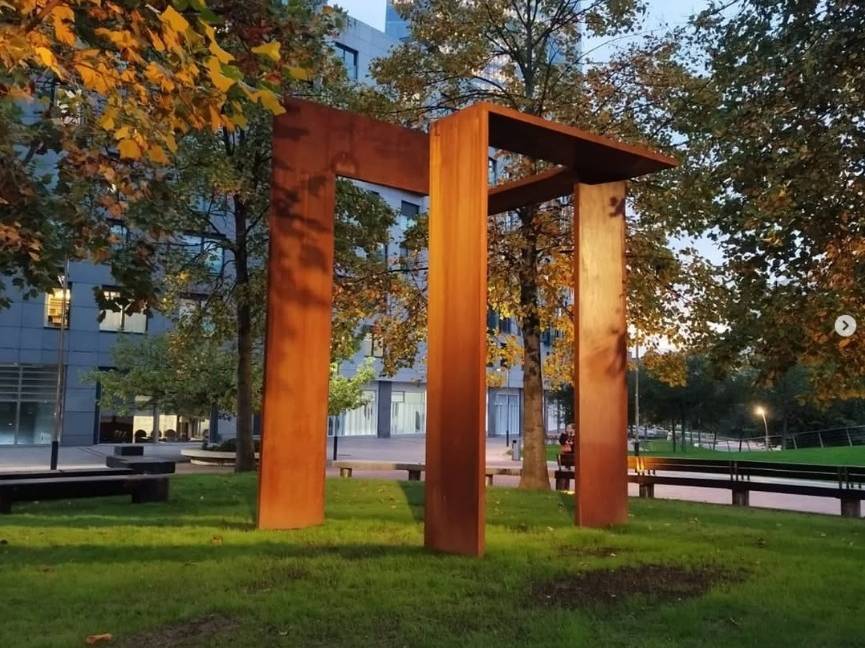
Its mechanical strength, construction potential, and strong visual presence make it particularly valuable for monumental sculpture, public art, architectural interventions, and projects where artistic creativity intersects with engineering precision.
Although iron is often associated with industrial production, its artistic use has a long and evolving history. From ornamental forged metalwork to large-scale abstract sculpture, iron has transformed from a functional material into an independent sculptural language.
Understanding iron sculpture means exploring not only a material, but an entirely different way of thinking about form, structure, space, and artistic fabrication.
What Is Iron Sculpture?
Iron sculpture refers to three-dimensional artworks created wholly or partially from iron or ferrous metal alloys through fabrication, construction, assembly, shaping, or metallurgical transformation.
Unlike classical subtractive sculptural traditions such as stone carving, iron sculpture is often based on constructive or assembled methods, allowing far greater structural freedom.
Applications include:
- abstract sculpture
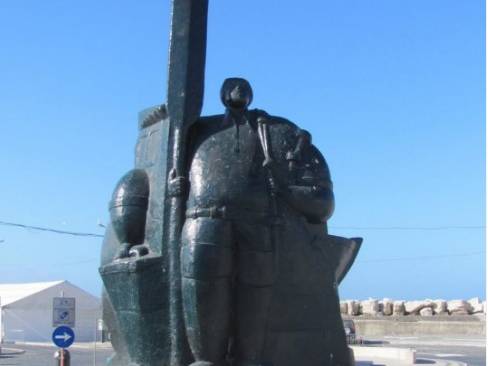
- figurative contemporary sculpture
- monumental public art
- architectural sculpture
- urban interventions
- conceptual installations
- industrial-inspired artworks
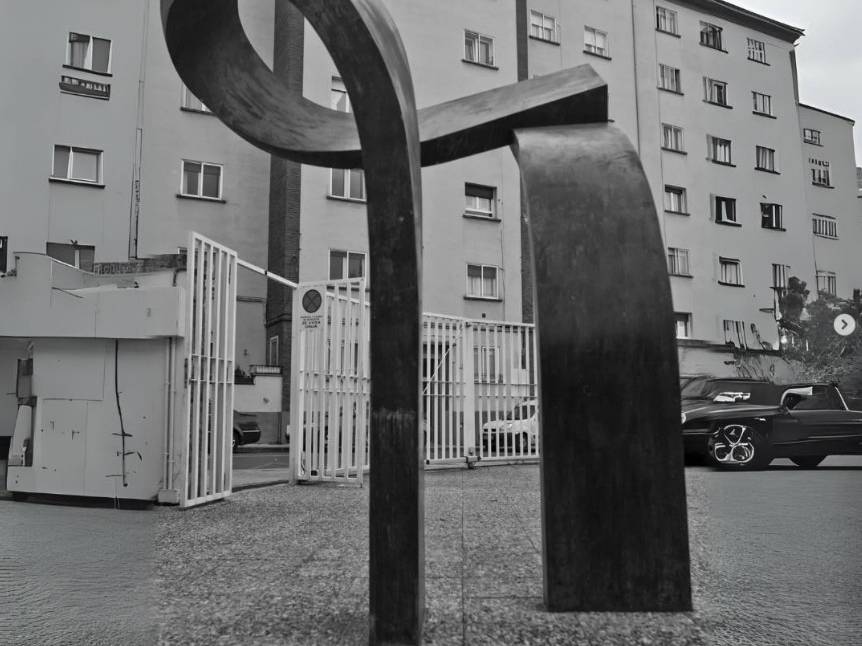
Iron allows sculpture to be understood not only as mass, but as structure, tension, balance, line, and spatial interaction.
The History of Iron in Sculpture
Early Uses of Iron
Historically, iron was used primarily for functional rather than artistic purposes.
For centuries, it served in:
- tools
- weaponry
- structural components
- decorative ironwork
- architectural ornamentation
- gates and forged metal details
At this stage, artistic metalwork was more closely associated with craftsmanship than autonomous sculpture.
Industrial Revolution and Artistic Transformation
The true shift occurred during industrialization.
Mass production dramatically increased the availability of iron, making it more accessible for artistic experimentation.
This created new relationships between:
- art
- engineering
- manufacturing
- industrial aesthetics
- structural design
Iron gradually moved beyond utility and entered sculptural practice as a material with expressive potential.
20th Century: Iron as a Modern Sculptural Language
Modern sculpture fundamentally changed the role of iron.
Artists began using iron to explore:
- geometric abstraction
- spatial construction
- industrial aesthetics
- structural dynamism
- monumentality through line rather than mass
This marked a radical departure from sculpture conceived as solid carved volume.
Instead, iron enabled sculpture built through:
- framework
- negative space
- modular composition
- engineered balance
Characteristics of Iron as a Sculptural Material
Structural Strength
One of iron’s most significant advantages.
It supports:
- large-scale sculpture
- self-supporting structures
- suspended elements
- complex engineering solutions
- outdoor installations
Industrial Visual Identity
Iron naturally communicates:
- strength
- material honesty
- robustness
- modernity
- industrial character
Its visual language is powerful even before formal intervention.
Formal Versatility
Iron can be:
- cut
- welded
- bent
- forged
- machined
- assembled
- perforated
This makes it extraordinarily flexible for sculptural experimentation.
Surface Transformation
Iron allows multiple finishing approaches:
- controlled oxidation
- industrial coatings
- custom patinas
- painted finishes
- corrosion protection systems
Surface treatment can dramatically alter artistic character.
Techniques Used in Iron Sculpture
Forging
One of the oldest metalworking techniques.
Iron is heated and physically shaped through controlled force.
Forging allows:
- organic curves
- artisanal shaping
- decorative structural forms
- expressive handcrafted detail
Welding
Essential in contemporary iron sculpture.
Common methods include:
- MIG welding
- TIG welding
- arc welding
- structural welding systems
Welding enables highly complex assemblies.
Cutting and Machining
Contemporary fabrication often involves:
- plasma cutting
- laser cutting
- mechanical cutting
- CNC fabrication
Ideal for geometric precision and technically complex forms.
At Alfa Arte, our expertise in metalworking and technical structures supports advanced sculptural fabrication for technically demanding artistic projects.
Digital Design and Engineering
Modern iron sculpture frequently integrates:
- CAD development
- 3D scanning
- structural analysis
- digital prototyping
Our digital modeling and 3D scanning services help transform artistic concepts into technically viable fabrication solutions.
Iron vs Other Sculptural Metals
Iron vs Bronze
Bronze offers:
- refined casting detail
- strong classical heritage
- sculptural prestige
Iron offers:
- greater structural expression
- industrial scale potential
- more direct fabrication logic
- stronger architectural integration
Alfa Arte combines both approaches through artistic foundry services and advanced sculptural metal fabrication.
Iron vs Aluminum
Aluminum is:
- lighter
- highly corrosion resistant
- easier to handle in some contexts
Iron offers:
- stronger material density
- greater visual mass
- more pronounced industrial aesthetics
Each serves different artistic objectives.
Iron Sculpture in Contemporary Art
Today, iron sculpture is widely used in:
- public art
- memorials
- monumental sculpture
- architectural installations
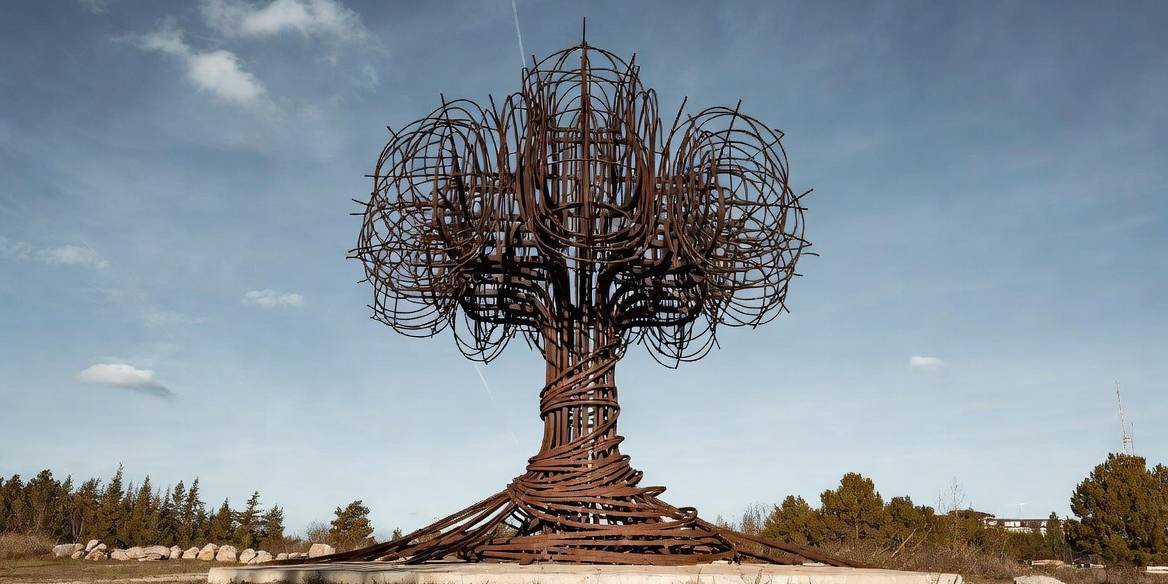
- abstract contemporary sculpture
- urban artistic interventions
Its structural capabilities make it ideal for scales difficult to achieve with traditional materials.
Iron is also frequently combined with:
- stone
- glass
- lighting systems
- stainless steel
- recycled materials
This hybrid approach expands artistic possibilities significantly.
Conservation and Technical Challenges
Iron’s principal challenge is corrosion.
Risk factors include:
- humidity
- pollution
- marine exposure
- oxidation
- structural fatigue
- inadequate coatings
Effective long-term preservation requires:
- corrosion management
- engineering foresight
- protective finishing systems
- ongoing maintenance
Proper technical planning is critical from the earliest design stage.
Final Thoughts: Iron Sculpture
Iron sculpture represents one of the most powerful and technically dynamic forms of contemporary sculptural practice. Its structural strength, expressive industrial character, and fabrication versatility make it a vital material for artists, architects, and institutions working at ambitious scales.
From traditional forging to digitally engineered monumental works, iron demonstrates how artistic vision and industrial capability can merge into a compelling sculptural language.
At Alfa Arte, we approach sculptural fabrication as the meeting point between artistic intention, engineering precision, and material mastery—developing complex sculptures designed to endure both structurally and culturally.