


University Sculptures: Inspiring Learning, Culture, and Campus Identity
Universities are more than places of education. They are centers of culture, innovation, research, and community, where architecture and public spaces play an essential role in shaping the student experience. Within these environments, university sculptures have become important cultural assets that enrich campuses, celebrate academic achievements, and create inspiring public spaces.
Whether installed at campus entrances, courtyards, libraries, research buildings, or public plazas, sculptures contribute to the identity of a university while fostering creativity, reflection, and engagement. Beyond their artistic value, they become landmarks that students, faculty, alumni, and visitors associate with the institution for generations.
As universities continue investing in modern campuses, sculpture remains one of the most effective ways to combine architecture, culture, and education.
Why Install Sculptures on University Campuses?
Universities increasingly view public art as an essential component of campus planning.
University sculptures help to:
- strengthen institutional identity
- celebrate academic excellence
- enrich architectural spaces
- create welcoming environments
- encourage cultural engagement
- improve campus aesthetics
- provide educational opportunities
A thoughtfully designed sculpture can become one of the defining symbols of a university.
The Role of Sculpture in Higher Education
Public art has long been part of university campuses around the world.
Sculptures contribute to campus life by creating environments that encourage both learning and reflection.
Celebrating Academic Heritage
Many universities commission sculptures to honor:
- founders
- distinguished professors
- researchers
- alumni
- historical milestones
These works preserve the institution’s history while inspiring future generations.
Creating Cultural Spaces
Sculptures transform open areas into places where students can gather, reflect, and interact.
They contribute to a more engaging campus environment beyond classrooms and laboratories.
Supporting Educational Programs
Sculpture itself can become an educational resource for students studying:
- fine arts
- architecture
- engineering
- history
- design
Many universities integrate public artworks into teaching and research activities.
Where Are Sculptures Installed on Campus?
Main Entrances
Entrance sculptures establish the university’s identity and create a strong first impression.
Academic Buildings
Many faculties incorporate sculptures into their entrances or courtyards, reinforcing the identity of individual departments.
Libraries
Libraries often feature sculptures that symbolize knowledge, learning, and intellectual curiosity.
Public Squares
Central plazas provide ideal locations for monumental sculptures that become gathering points for students and visitors.
Gardens and Outdoor Spaces
Landscaped areas allow sculptures to interact naturally with architecture and the surrounding environment.
Types of University Sculptures
Monumental Sculptures
Large-scale works frequently become visual landmarks across campus.
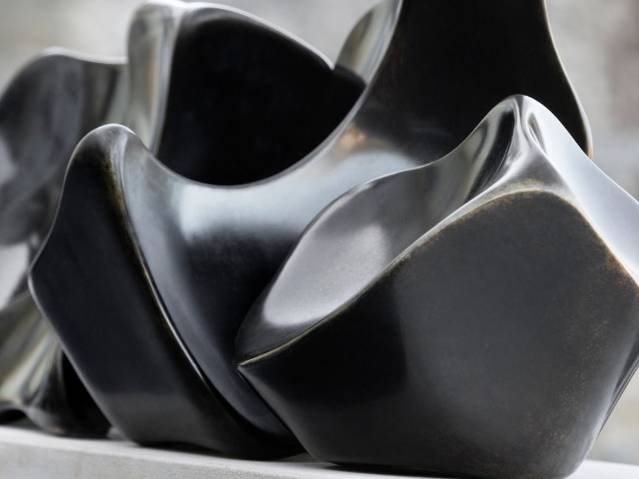
Abstract Sculptures
Highly popular in contemporary university architecture.
They encourage interpretation and dialogue while complementing modern buildings.
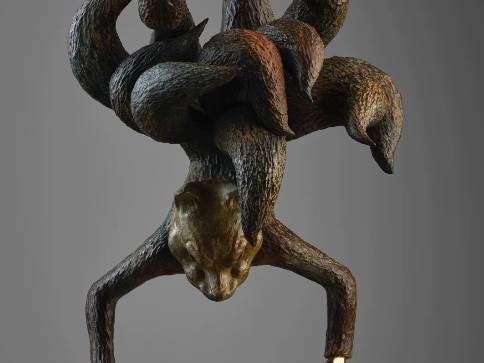
Figurative Sculptures
Often represent:
- scholars
- scientists
- historical figures
- symbolic characters
These works celebrate academic tradition and institutional heritage.
Site-Specific Installations
Many universities commission sculptures designed specifically for particular locations.
These projects respond directly to:
- campus architecture
- pedestrian circulation
- landscape design
- institutional identity
Materials Used in University Sculptures
Material selection depends on the artwork’s location and intended lifespan.
Bronze
A traditional choice for commemorative sculptures.
Advantages include:
- exceptional durability
- timeless appearance
- excellent detail
- long-term performance
At Alfa Arte, our expertise in artistic foundry services supports universities and cultural institutions in producing high-quality sculptures.
Stainless Steel
Widely used for contemporary campus artworks.
Benefits include:
- corrosion resistance
- modern aesthetics
- minimal maintenance
- structural reliability
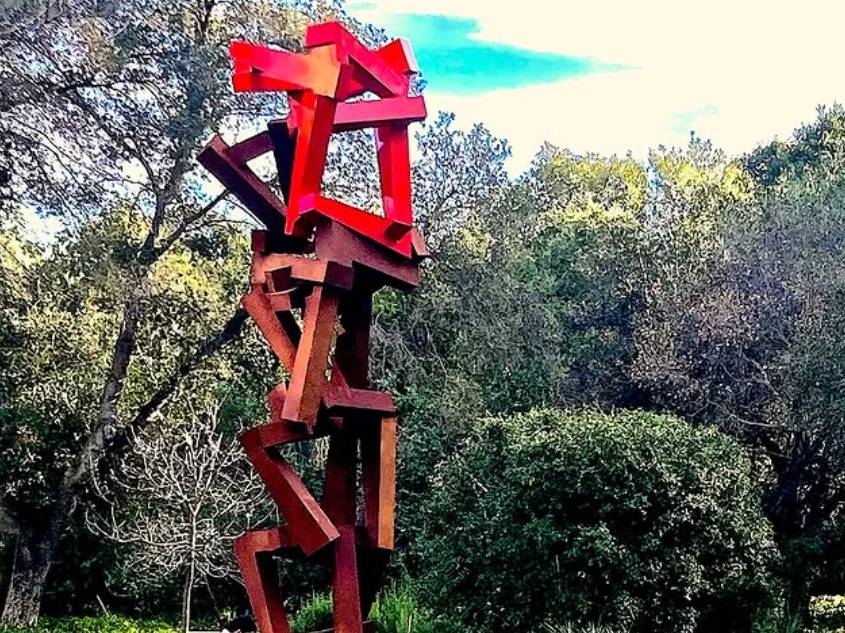
Corten Steel
An increasingly popular material for outdoor university installations.
It offers:
- architectural character
- weather resistance
- natural integration with landscaped environments
Stone
Stone sculptures communicate permanence and academic tradition.
Common materials include:
- granite
- marble
- limestone
Engineering and Technical Considerations
University sculptures must combine artistic quality with technical reliability.
Important considerations include:
- structural engineering
- accessibility
- public safety
- wind resistance
- foundations
- long-term maintenance
Large-scale campus projects require collaboration between artists, architects, engineers, and specialized fabricators.
Through our expertise in metalworking and technical structures, Alfa Arte develops technically advanced sculptural projects for educational institutions.
Installation and Logistics
Campus installations require careful coordination.
Projects often involve:
- specialized transportation
- crane operations
- foundation construction
- coordination with university facilities
- phased installation
Our logistics, installation, and transport services ensure sculptures are safely delivered and installed on campuses worldwide.
Long-Term Value
University sculptures provide lasting benefits by:
- strengthening institutional identity
- enriching campus architecture
- supporting cultural initiatives
- creating memorable landmarks
- enhancing the student experience
- increasing the cultural value of public spaces
Many sculptures become enduring symbols that alumni continue to associate with their university long after graduation.
Final Thoughts: University Sculptures
University sculptures play a significant role in shaping educational environments that inspire learning, creativity, and cultural engagement. Whether commemorating academic achievements, enhancing architecture, or creating iconic campus landmarks, sculpture helps universities build spaces with lasting meaning.
At Alfa Arte, we collaborate with universities, architects, artists, and public institutions to fabricate, transport, and install custom sculptures that combine artistic excellence, engineering expertise, and long-term durability for educational environments.