

Sculptures for Public Buildings: Integrating Art into Civic Architecture
Public buildings are far more than functional spaces. City halls, courthouses, libraries, cultural centers, government offices, and civic institutions represent the values, heritage, and identity of the communities they serve. Within these environments, sculptures for public buildings play an essential role by integrating art into architecture and transforming everyday spaces into cultural landmarks.
Whether installed in entrance plazas, reception halls, courtyards, or landscaped gardens, sculptures add architectural value, reinforce institutional identity, and strengthen the relationship between public spaces and the communities that use them.
As governments and public institutions continue investing in high-quality civic environments, sculpture has become an important tool for creating representative, accessible, and culturally significant spaces.
Why Install Sculptures in Public Buildings?
Public sculptures help transform civic buildings into more welcoming, recognizable, and meaningful places.
Their benefits include:
- strengthening institutional identity
- enhancing architectural design
- promoting public art
- improving the appearance of civic buildings
- creating urban landmarks
- celebrating local culture
- humanizing public spaces
A thoughtfully designed sculpture can become one of the most recognizable symbols of a public institution.
The Importance of Art in Civic Architecture
Art has historically been an integral part of public architecture.
Today, many civic projects incorporate sculptures from the earliest design stages to create buildings with greater cultural and architectural value.
Sculptures help to:
Represent Institutional Values
Public artworks often communicate ideas such as:
- transparency
- justice
- community
- sustainability
- innovation
- historical memory
Bring Art Closer to the Community
Public sculptures make art accessible to everyone.
Their presence encourages cultural participation and transforms civic buildings into more welcoming and engaging environments.
Create Urban Landmarks
Many sculptures become recognizable reference points for residents and visitors.
They often serve as meeting places while strengthening the visual identity of a city or institution.
Where Can Sculptures Be Installed in Public Buildings?
Entrance Plazas
Main entrances are among the most suitable locations for monumental sculptures.
These works establish a strong visual identity from the moment visitors arrive.
Reception Areas
Sculptures displayed in entrance halls and atriums create memorable first impressions while adding character to interior spaces.
Courtyards
Many institutional buildings feature interior courtyards where sculptures can integrate naturally with architecture and landscaping.
Gardens and Outdoor Spaces
Landscaped areas provide ideal settings for large-scale sculptures that enrich both architecture and the surrounding environment.
Types of Sculptures for Public Buildings
Monumental Sculptures
Ideal for civic buildings and institutional headquarters.
Their scale creates a powerful visual impact while reinforcing the importance of the building.
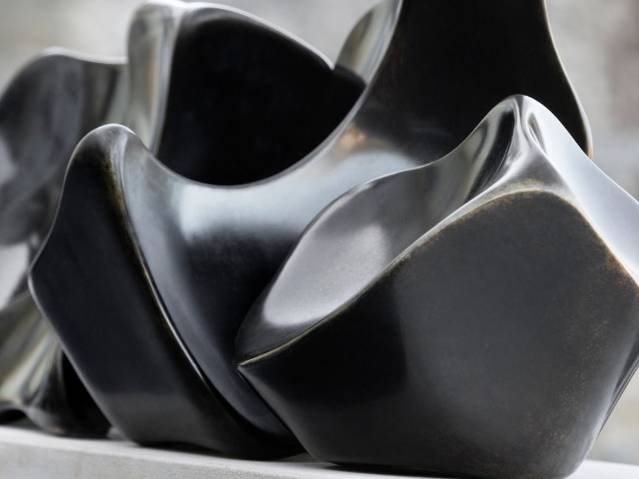
Abstract Sculptures
Widely used in contemporary public architecture.
Their open forms communicate universal concepts while complementing modern architectural design.
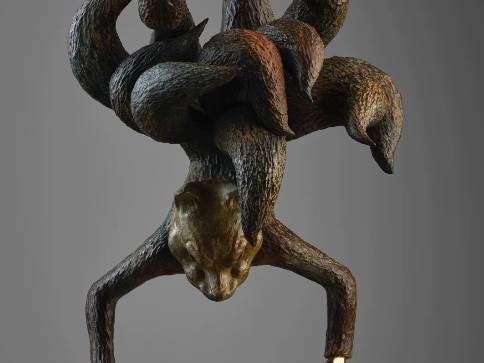
Figurative Sculptures
Often represent:
- historical figures
- cultural leaders
- important events
- local symbols
These works frequently serve commemorative purposes.
Site-Specific Sculptures
Designed exclusively for a particular building or location.
These sculptures respond directly to:
- architecture
- pedestrian circulation
- landscape
- institutional function
The result is a seamless integration between artwork and environment.
Materials Commonly Used
Material selection depends on location, environmental conditions, and long-term maintenance requirements.
Bronze
One of the most widely used materials for civic sculpture.
Its advantages include:
- exceptional durability
- artistic prestige
- outstanding outdoor performance
- excellent detail reproduction
At Alfa Arte, our expertise in artistic foundry services supports the production of sculptures for public institutions, artists, and cultural projects.
Stainless Steel
An excellent choice for contemporary civic architecture.
Benefits include:
- corrosion resistance
- modern aesthetics
- low maintenance
- long service life
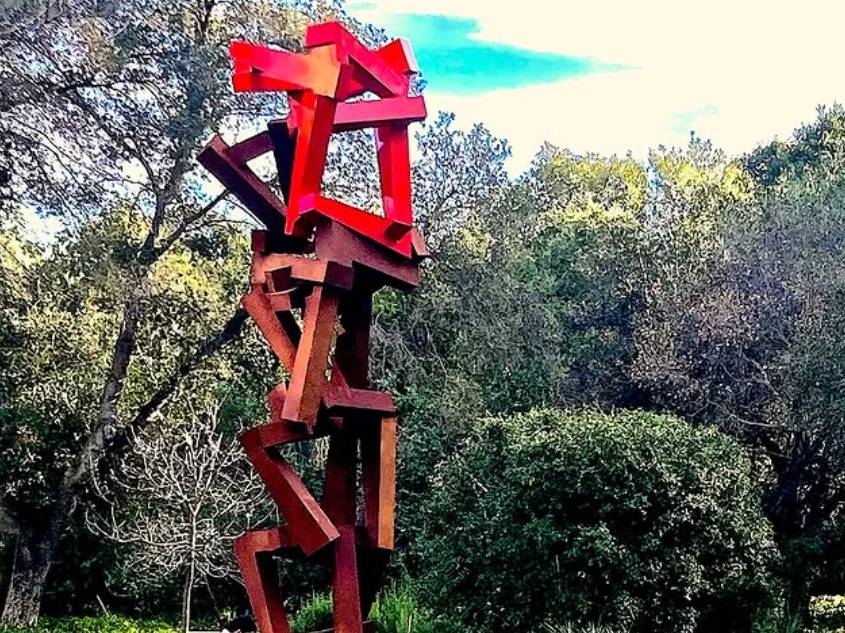
Corten Steel
Frequently used in public spaces.
It offers:
- strong architectural character
- natural integration with landscapes
- excellent weather resistance
Stone
A timeless material associated with permanence and institutional strength.
Common choices include:
- granite
- marble
- limestone
Engineering and Technical Considerations
Sculptures for public buildings must satisfy demanding technical requirements.
Important considerations include:
- structural engineering
- public safety
- accessibility
- wind resistance
- foundation design
- long-term maintenance
Large-scale projects require close collaboration between artists, architects, engineers, and specialized fabricators.
Through our expertise in metalworking and technical structures, Alfa Arte delivers technically advanced sculptural projects that combine artistic vision with engineering precision.
Installation and Logistics
Installing sculptures in civic environments requires careful planning and coordination.
Projects often involve:
- specialized transportation
- crane operations
- foundation preparation
- coordination with construction teams
- structural inspections
Our logistics, installation, and transport services manage every phase of the project, from fabrication through final installation.
Long-Term Benefits
Public building sculptures provide lasting value by:
- strengthening institutional identity
- enhancing public architecture
- supporting cultural heritage
- improving urban environments
- creating memorable civic landmarks
- increasing the cultural value of public spaces
Many of these works become enduring symbols of the communities and institutions they represent.
Final Thoughts: Sculptures for Public Buildings
Sculptures for public buildings create meaningful connections between art, architecture, and civic identity. Beyond their aesthetic contribution, they strengthen public spaces, celebrate local culture, and enhance the architectural character of institutional buildings.
At Alfa Arte, we collaborate with public authorities, architects, artists, and institutions to fabricate, transport, and install custom sculptures that combine artistic excellence, specialized engineering, and technical expertise for civic projects of every scale.