

Sculpture with Recycled Materials: Sustainability, Creativity, and Contemporary Artistic Innovation
Sculpture with recycled materials has become one of the most compelling expressions of contemporary artistic practice. More than an aesthetic trend, it reflects a broader cultural conversation about sustainability, material transformation, environmental awareness, and the evolving role of art in society.
Artists have always transformed raw matter into meaning. What distinguishes contemporary recycled sculpture is that the material often arrives with its own previous history, function, and symbolic baggage. Industrial remnants, obsolete machinery, reclaimed wood, discarded plastics, electronic components, and architectural fragments are no longer seen merely as waste—they become the foundation of entirely new artistic narratives.
In this context, sculpture does more than shape form. It reframes value, challenges consumption, and demonstrates how creative thinking can generate beauty and meaning from what has been discarded.
What Is Sculpture with Recycled Materials?
Sculpture with recycled materials refers to three-dimensional artistic works created wholly or partially from previously used, reclaimed, or discarded materials that are reintroduced into a new creative process.
Unlike traditional sculpture, which often relies on materials intentionally sourced for artistic production—such as marble, bronze, or carved wood—recycled sculpture begins with matter that already has an earlier lifecycle.
These materials may include:
- reclaimed industrial metal
- obsolete machinery components
- recycled aluminum
- scrap steel
- discarded plastic
- broken glass
- recovered timber
- textile remnants
- construction debris
- electronic waste
- repurposed domestic objects
The significance lies not simply in material reuse, but in the conceptual transformation of objects into artistic expression.
Historical Origins of Reused Materials in Sculpture
Although sustainability is now a central theme, the use of found materials in art is not entirely new.
Avant-Garde Breakthroughs
The major shift began in the early 20th century, when avant-garde movements challenged conventional artistic boundaries.
Movements such as:
- Dadaism
- Surrealism
- Constructivism
introduced everyday objects into artistic production.
The concept of the found object fundamentally changed how artists approached materials. Instead of creating solely from traditional sculptural media, artists began recontextualizing existing objects.
This was a profound conceptual shift.
Modern Sculpture and Assemblage
Throughout the 20th century, sculpture increasingly embraced assemblage and industrial materials.
Artists began incorporating:
- scrap metal
- mechanical components
- industrial leftovers
- reclaimed wood
- urban debris
- machine fragments
Material itself became part of the narrative.
Rust, wear, deformation, and industrial textures introduced meaning beyond pure form.
This evolution paved the way for much of today’s recycled sculptural practice.
Why Recycled Sculpture Matters Today
The growth of sculpture with recycled materials is closely tied to broader cultural concerns.
Environmental Awareness
Many artists engage with themes such as:
- waste culture
- overconsumption
- planned obsolescence
- industrial pollution
- ecological responsibility
Art becomes a medium for environmental reflection.
Material Freedom
Recycled materials offer extraordinary formal diversity.
Artists can explore:
- texture
- repetition
- modular composition
- unexpected contrasts
- unconventional scale
- hybrid material interactions
Conceptual Strength
Previously used materials inherently carry history.
This creates rich conceptual associations involving:
- transformation
- memory
- adaptation
- resilience
- critique of consumer culture
- renewal
Common Materials Used in Recycled Sculpture
The possibilities are nearly unlimited.
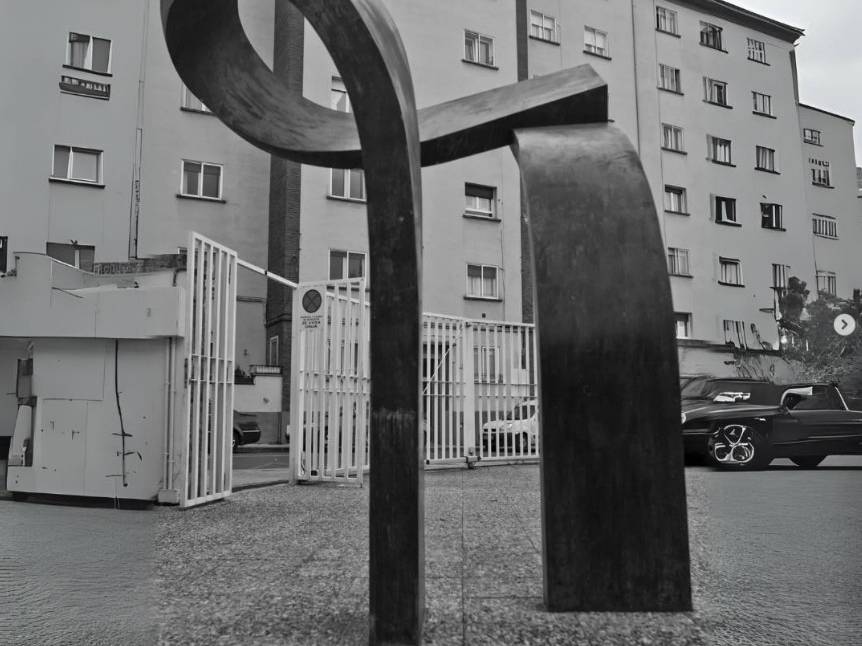
Reclaimed Metal
One of the most widely used materials in contemporary recycled sculpture.
Includes:
- recovered steel
- recycled aluminum
- industrial scrap
- mechanical parts
- tools
- structural fragments
Advantages include:
- structural integrity
- weather resistance
- scalability
- industrial visual impact
At Alfa Arte, our expertise in metalworking and technical structures supports the development of technically complex sculptures using advanced structural fabrication methods.
Reclaimed Wood
Highly valued for its warmth and narrative richness.
Common sources:
- architectural timber
- old furniture
- pallets
- construction salvage
Wood introduces:
- organic texture
- visible aging
- historical character
Recycled Plastics
Increasingly present in contemporary art.
Benefits:
- lightweight structure
- color flexibility
- transparency
- modular repeatability
Often used in experimental or conceptual sculpture.
Electronic Waste
Digital-age materials have become powerful sculptural media.
Examples:
- motherboards
- wires
- keyboards
- circuits
- obsolete technological hardware
These materials often introduce commentary about technology, consumption, and obsolescence.
Glass and Hybrid Materials
Many contemporary recycled sculptures combine multiple material families.
Hybrid approaches increase expressive and technical complexity.
Sculptural Techniques Used
Recycled sculpture often combines traditional craftsmanship with advanced fabrication methods.
Assemblage
A core technique in recycled sculpture.
May involve:
- welding
- bolting
- hidden fixings
- structural adhesives
- modular construction
Material Adaptation
Reclaimed materials often require substantial preparation:
- cleaning
- cutting
- reshaping
- reinforcement
- corrosion treatment
- structural stabilization
Digital Planning and Engineering
Complex projects may require:
- 3D scanning
- CAD modeling
- structural simulations
- fabrication planning
Our digital modeling and 3D scanning services help transform artistic concepts into technically viable sculptural solutions.
Surface Finishing
Depending on artistic intent, finishes may include:
- preserved original wear
- industrial coatings
- protective sealants
- custom patinas
- painted finishes
Alfa Arte’s patina, painting, and finishes department develops tailored finishing solutions for contemporary sculptural works.
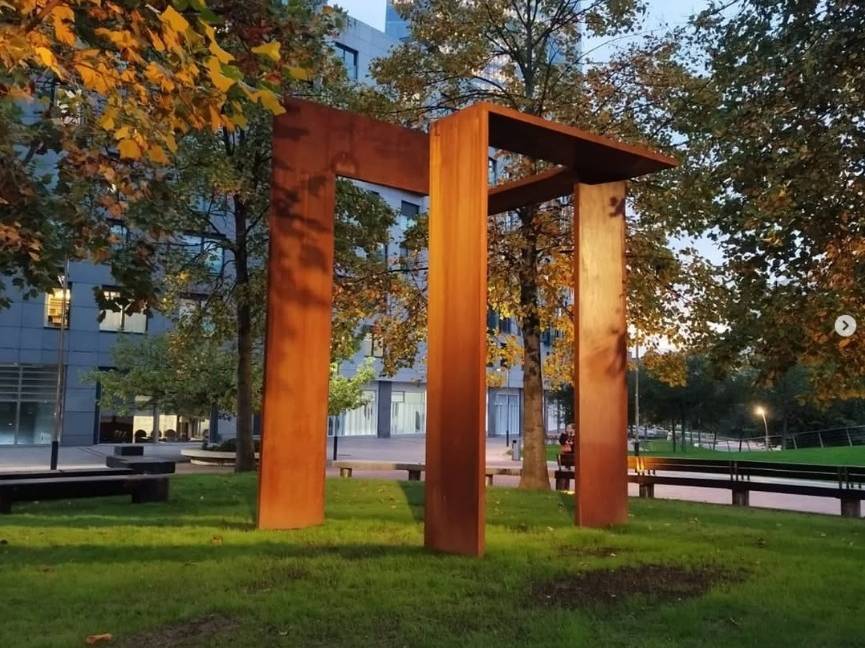
Recycled Sculpture in Public Space
Many recycled sculptures are intended for outdoor or public installation.
This introduces significant technical demands:
- structural engineering
- weather durability
- anchoring systems
- transportation logistics
- public safety compliance
- long-term maintenance
Recycled materials do not reduce technical complexity—often they increase it.
Educational and Cultural Value
Sculpture with recycled materials also carries strong educational significance.
It encourages reflection on:
- environmental responsibility
- material innovation
- creative reuse
- industrial transformation
- sustainability in artistic production
For this reason, recycled sculpture is often featured in:
- public cultural projects
- educational institutions
- urban interventions
- sustainability exhibitions
- contemporary art programs
Final Thoughts: Sculpture with Recycled Materials
Sculpture with recycled materials demonstrates that artistic innovation does not depend exclusively on traditional or prestigious materials. Through transformation, reinterpretation, and technical ingenuity, discarded matter becomes a vehicle for meaning, reflection, and contemporary expression.
This approach bridges sustainability with artistic experimentation, showing how sculpture can actively engage with the environmental and cultural realities of our time.
At Alfa Arte, we approach sculpture as a dialogue between artistic vision, technical precision, and material intelligence. Whether working with traditional foundry methods, structural metal fabrication, or contemporary hybrid solutions, we collaborate on sculptural projects designed to endure both physically and conceptually.