

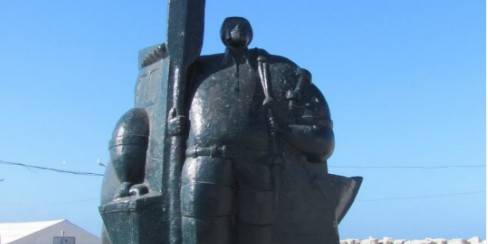
Roundabout Sculptures: Public Art, Urban Identity, and Landmark Design
Roundabout sculptures have become one of the most recognizable forms of public art in contemporary urban environments. Positioned at key intersections and gateways, these artworks do far more than beautify traffic circles—they help define the identity of cities, towns, business districts, and public developments.
Although roundabouts are primarily designed to improve traffic flow, they also provide unique opportunities to create memorable landmarks. A well-designed sculpture transforms a functional space into a visual symbol that reflects local culture, history, innovation, or architectural ambition.
For many municipalities, a sculpture installed in a roundabout becomes a lasting point of reference, welcoming visitors and reinforcing a sense of place. Achieving this requires the careful integration of artistic vision, structural engineering, road safety, and long-term durability.
Why Install Sculptures in Roundabouts?
Roundabouts occupy highly visible locations within urban and suburban environments, making them ideal spaces for public art.
Roundabout sculptures help to:
- enhance the visual quality of public spaces
- strengthen local identity
- create recognizable landmarks
- improve gateways to cities and business parks
- integrate art into everyday life
- elevate the image of urban developments
A well-designed sculpture can become one of the most recognizable symbols of a community.
The Roundabout as a Sculptural Space
Although pedestrians rarely occupy roundabouts, these locations offer exceptional visual impact.
Designing sculptures for these environments requires consideration of:
- visibility from multiple directions
- perception while in motion
- clear and readable forms
- integration with landscaping
- road safety requirements
Unlike sculptures displayed in museums or plazas, roundabout sculptures must communicate their visual message within just a few seconds, making bold, monumental, geometric, or symbolic forms particularly effective.
Types of Roundabout Sculptures
Monumental Sculptures
Large-scale works are the most common choice for roundabouts.
Their size allows them to remain visually prominent even in busy traffic environments.
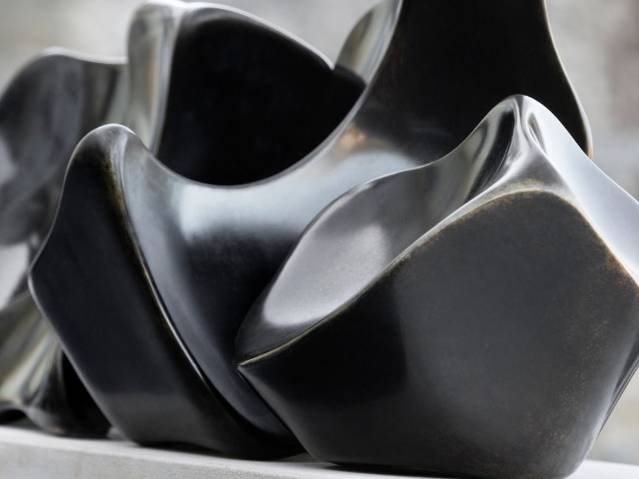
Abstract Sculptures
Abstract forms work particularly well because they can be appreciated from every angle.
Their constantly changing appearance complements the movement of surrounding vehicles.
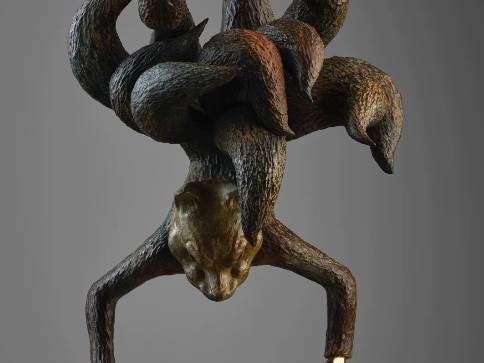
Figurative Sculptures
These works often celebrate local identity by representing:
- historical figures
- cultural symbols
- wildlife
- industrial heritage
- regional traditions
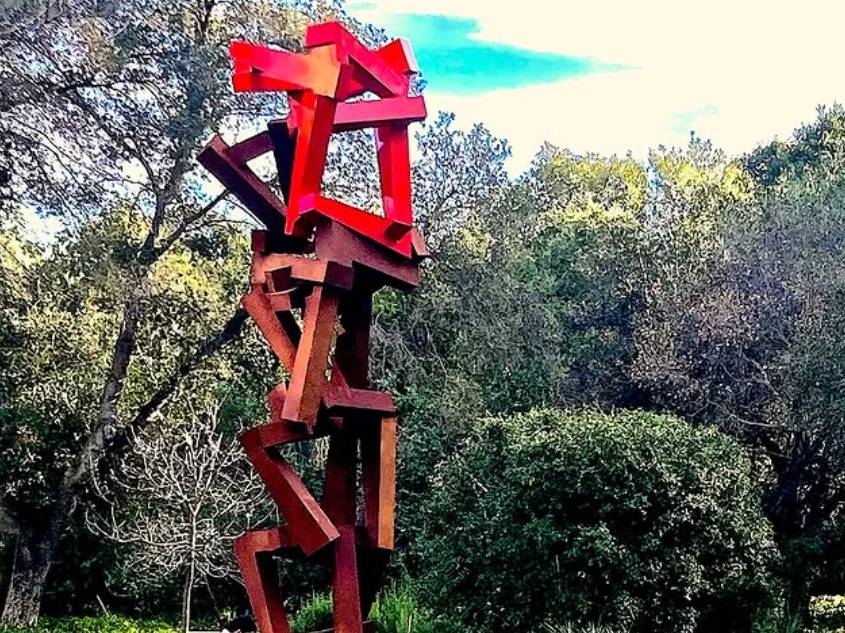
Geometric Sculptures
Geometric designs are especially suitable for contemporary urban developments.
Their clean forms communicate:
- innovation
- precision
- balance
- modernity
Materials Used for Roundabout Sculptures
Material selection is critical because these sculptures remain permanently exposed to outdoor conditions.
Corten Steel
A popular choice for contemporary public art.
Advantages include:
- exceptional weather resistance
- warm architectural appearance
- relatively low maintenance
- natural integration with landscaped environments
Stainless Steel
Ideal for modern cities and corporate developments.
Benefits include:
- corrosion resistance
- reflective surfaces
- contemporary aesthetics
- long-term durability
Bronze
A prestigious material particularly suited to commemorative and figurative sculpture.
At Alfa Arte, our expertise in artistic foundry services supports the production of public monuments and large-scale sculptures.
Aluminum
An excellent solution for large sculptures where reducing structural weight is important.
Its lightweight properties simplify transportation and installation while allowing complex sculptural forms.
Engineering and Safety Considerations
Roundabout sculptures must satisfy demanding technical requirements.
Important considerations include:
- wind resistance
- structural stability
- foundation design
- road visibility
- pedestrian and vehicle safety
- drainage
- lighting
- long-term maintenance
The sculpture should never interfere with traffic signs, sightlines, or road safety regulations.
Alfa Arte develops technically complex public artworks through its expertise in metalworking and technical structures, combining artistic creativity with advanced engineering.
Landscape Integration and Lighting
A successful roundabout sculpture is designed together with its surrounding landscape.
Elements often include:
- low-maintenance planting
- architectural lighting
- stone or concrete bases
- decorative paving
- circular landscape compositions
- integrated drainage systems
Night lighting is particularly important, allowing the sculpture to remain a recognizable landmark after dark.
Installation and Logistics
Installing sculptures in active traffic environments requires detailed planning.
The process may involve:
- specialized transportation
- temporary traffic management
- crane operations
- foundation preparation
- coordination with municipalities and contractors
- structural inspection after installation
Through our logistics, installation, and transport services, Alfa Arte manages every phase of public sculpture projects, from fabrication to final installation.
Where Are Roundabout Sculptures Commonly Installed?
Roundabout sculptures are frequently commissioned for:
- city entrances
- business parks
- industrial estates
- cultural districts
- residential developments
- university campuses
- hotel complexes
- public infrastructure projects
In every case, the sculpture serves as a permanent visual landmark.
Long-Term Benefits
A well-designed roundabout sculpture provides lasting value by:
- enhancing the identity of a city or district
- creating memorable landmarks
- strengthening public art initiatives
- improving urban aesthetics
- supporting cultural identity
- increasing the visual quality of public spaces
Over time, these sculptures often become iconic symbols recognized by both residents and visitors.
Final Thoughts: Roundabout Sculptures
Roundabout sculptures transform ordinary traffic infrastructure into meaningful public landmarks that reflect the identity of a community. By combining artistic vision, engineering expertise, durable materials, and thoughtful landscape integration, these installations create lasting cultural and architectural value.
At Alfa Arte, we collaborate with artists, architects, municipalities, and developers to fabricate, transport, and install custom roundabout sculptures that combine artistic excellence, technical precision, and long-term durability for public spaces.