

Park Sculptures: How Public Art Enhances Parks, Landscapes, and Community Spaces
Park sculptures have become essential elements in the design of modern public spaces. Beyond their artistic value, they contribute to placemaking, cultural identity, visitor engagement, and the overall experience of parks and landscaped environments.
From monumental contemporary installations to figurative works that celebrate local history, sculptures help transform parks into destinations that encourage exploration, reflection, and social interaction.
Today, park sculptures can be found in:
- urban parks
- botanical gardens
- sculpture parks
- nature reserves
- memorial landscapes
- cultural campuses
- waterfront developments
As cities increasingly invest in public spaces, sculpture continues to play a crucial role in shaping how people experience the landscape.
What Are Park Sculptures?
Park sculptures are artworks specifically designed or selected for installation in public parks, landscaped environments, and recreational spaces.
Unlike indoor sculptures, these works must respond to:
- weather conditions
- public interaction
- environmental integration
- large viewing distances
- long-term durability
Their purpose may include:
- creating landmarks
- celebrating cultural heritage
- enhancing landscape design
- encouraging public engagement
- providing educational value
- supporting community identity
A successful park sculpture becomes part of the character of a place.
Why Sculptures Matter in Parks
Public parks are more than recreational spaces.
They are environments where people connect with nature, culture, and community.
Sculpture helps achieve these goals by:
Creating Landmarks
Large sculptures often become recognizable symbols of a park.
Visitors frequently use them as:
- meeting points
- orientation markers
- photographic attractions
Enhancing Visitor Experience
Art introduces additional layers of interest within the landscape.
Sculptures encourage visitors to:
- explore new areas
- engage with the environment
- spend more time in the space
Strengthening Cultural Identity
Many public sculptures reflect:
- local history
- cultural traditions
- community values
- regional identity
This strengthens the relationship between people and place.
Types of Park Sculptures
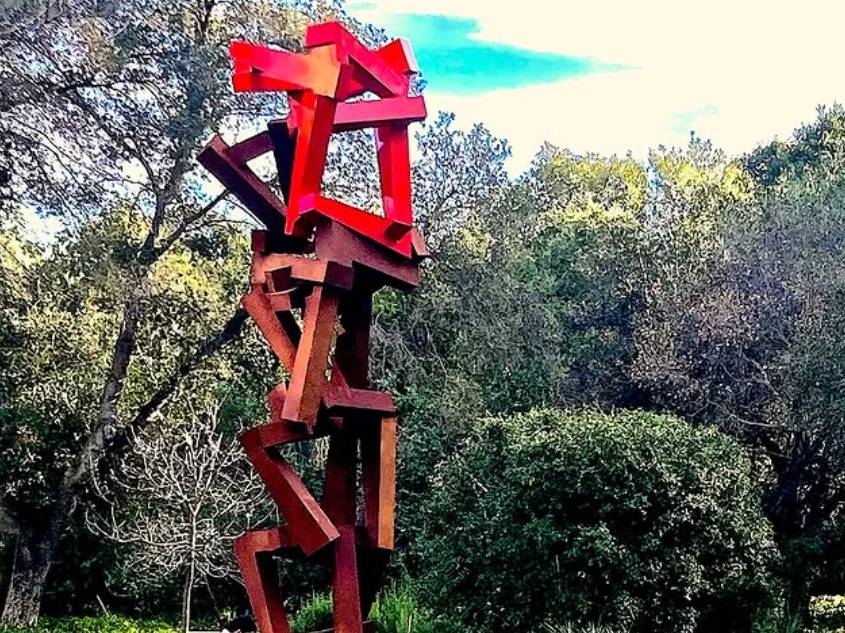
Monumental Sculptures
Large-scale works designed to dominate the landscape.
Common in:
- city parks
- memorial parks
- cultural districts
Their scale creates strong visual impact from long distances.
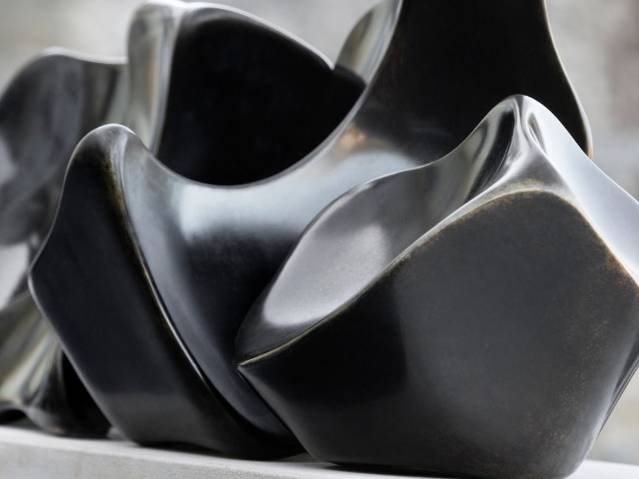
Abstract Sculptures
Highly popular in contemporary parks.
Benefits include:
- timeless design
- multiple interpretations
- compatibility with modern landscapes
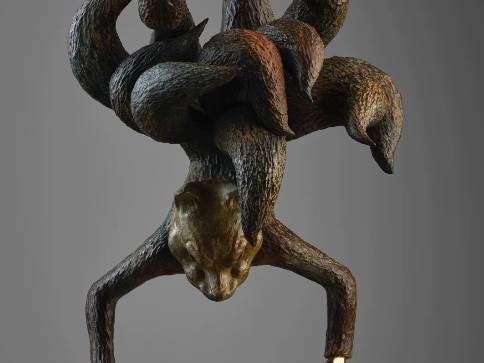
Figurative Sculptures
Represent:
- historical figures
- local heroes
- cultural symbols
- wildlife
Often serve commemorative or educational purposes.
Interactive Sculptures
Designed to encourage public participation.
These works may allow:
- physical interaction
- movement
- exploration
Particularly effective in family-oriented public spaces.
Materials Used for Park Sculptures
Material selection is critical because outdoor installations face constant environmental exposure.
Bronze
A traditional choice for public art.
Advantages:
- durability
- historical prestige
- excellent detail retention
At Alfa Arte, our expertise in artistic foundry services supports the creation of durable sculptures designed for long-term outdoor installation.
Stainless Steel
Popular in contemporary public art.
Benefits include:
- corrosion resistance
- structural performance
- reflective qualities
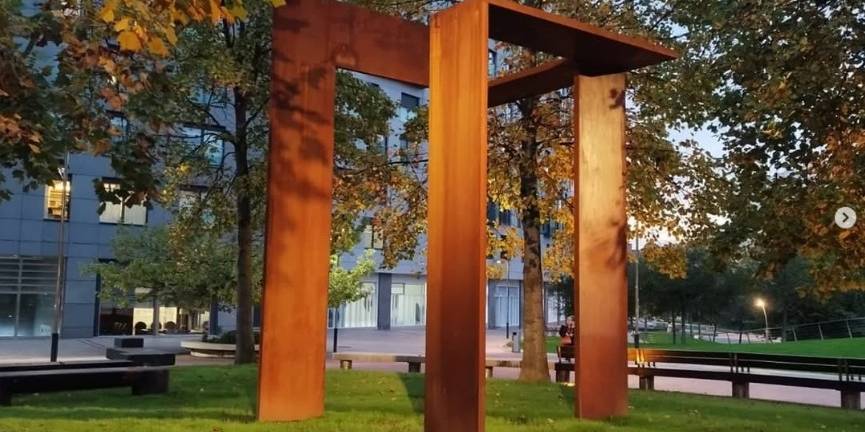
Corten Steel
Frequently used in landscape architecture.
Characteristics:
- weathered appearance
- strong architectural presence
- excellent outdoor suitability
Stone
A timeless material for public sculpture.
Common options:
- granite
- limestone
- marble
Stone provides permanence and natural integration.
Engineering and Fabrication Considerations
Large park sculptures require much more than artistic design.
Important factors include:
- structural engineering
- wind loads
- foundations
- vandal resistance
- transportation logistics
- public safety requirements
Alfa Arte develops complex outdoor sculptures through its expertise in metalworking and technical structures, combining artistic vision with engineering precision.
Installation in Public Parks
Installing sculptures in parks often requires coordination between multiple stakeholders:
- municipalities
- landscape architects
- engineers
- artists
- contractors
Considerations include:
- site access
- environmental impact
- maintenance planning
- long-term durability
Through our logistics, installation, and transport services, Alfa Arte supports the complete execution of public sculpture projects from fabrication to final installation.
The Growing Importance of Sculpture Parks
Dedicated sculpture parks have become increasingly popular worldwide.
These spaces combine:
- art
- landscape architecture
- environmental design
- cultural programming
They demonstrate how sculpture can transform open spaces into cultural destinations that attract visitors year-round.
Final Thoughts: Park Sculptures
Park sculptures play a vital role in shaping public spaces, creating landmarks, and enriching the relationship between art and the landscape. Whether monumental or intimate, abstract or figurative, these works contribute to the cultural and visual identity of parks while enhancing the experience of visitors.
As cities and institutions continue investing in high-quality public spaces, sculpture remains one of the most effective ways to create lasting cultural impact.
At Alfa Arte, we collaborate with artists, architects, municipalities, and institutions to fabricate, transport, and install park sculptures that combine artistic excellence, structural reliability, and long-term durability for outdoor environments.