

Museum Sculptures: Enhancing Cultural Spaces Through Art and Visitor Experience
Museums are far more than institutions dedicated to preserving and exhibiting works of art. They are places of education, research, cultural exchange, and heritage conservation. Within this context, museum sculptures play a fundamental role by enriching collections, creating immersive experiences, and reinforcing the identity of each institution.
Whether displayed as part of a permanent collection, featured in a temporary exhibition, or commissioned as a site-specific installation, sculptures establish a dialogue between architecture, artworks, and visitors. Beyond their artistic value, they create engaging exhibition routes, encourage curiosity, and transform every museum visit into a memorable experience.
Today, many museums also commission contemporary sculptures to expand their collections, revitalize exhibition spaces, or enhance gardens, courtyards, and public plazas surrounding the institution.
Why Are Sculptures Important in Museums?
Sculpture has been an essential component of museums since their earliest origins.
Its presence helps to:
- preserve artistic heritage
- represent different cultures and historical periods
- enrich exhibition narratives
- create immersive visitor experiences
- support education and research
- showcase three-dimensional artistic expression
Unlike many other art forms, sculpture offers a spatial experience that allows visitors to walk around a work, observe it from multiple perspectives, and appreciate its volume, texture, scale, and materiality.
Sculpture as an Exhibition Element
Within a museum, sculpture can serve several different purposes.
The Main Focus of an Exhibition
Many exhibitions are dedicated to a single sculptor, an artistic movement, or a specific historical period.
In these cases, sculptures become the central narrative of the exhibition.
Complementing Other Art Forms
Museum sculptures frequently coexist with:
- paintings
- photography
- design
- multimedia installations
- digital art
This interdisciplinary approach creates richer and more engaging exhibitions.
Site-Specific Installations
Many museums commission sculptures designed specifically for a particular gallery or architectural space.
These site-specific works establish a direct relationship with the building, the exhibition layout, and the visitor’s journey through the museum.
Where Are Sculptures Installed in Museums?
Sculptures can be incorporated into nearly every area of a museum.
Entrance Halls
The main entrance often features an iconic sculpture that welcomes visitors and establishes the institution’s identity.
Exhibition Galleries
The most common setting for both historical and contemporary sculpture.
Gallery layouts should support:
- visitor circulation
- visual accessibility
- appropriate lighting
- artwork protection
Courtyards and Sculpture Gardens
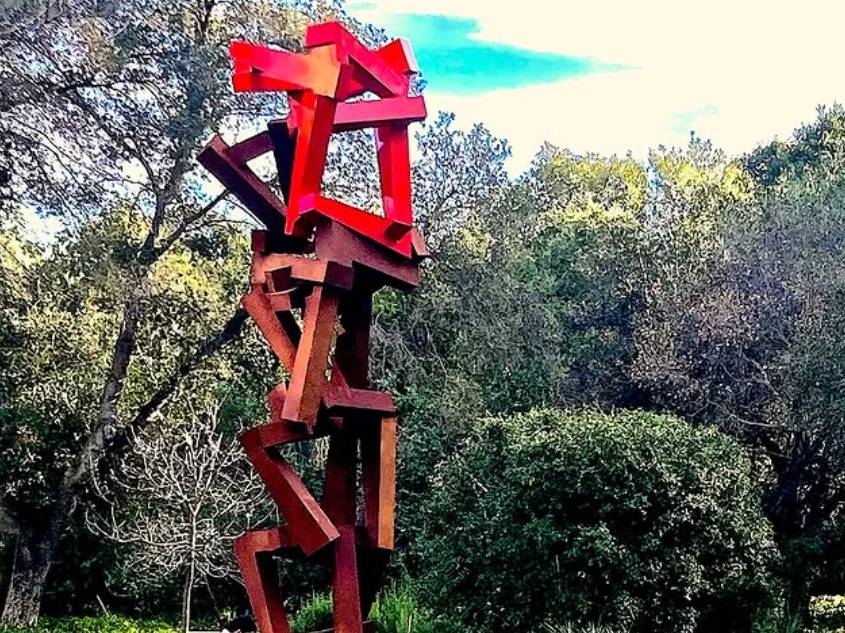
Outdoor areas allow museums to display monumental sculptures that interact with architecture and landscape.
These spaces extend the visitor experience beyond the interior galleries.
Public Plazas
Many museums install sculptures outside their buildings to create recognizable landmarks that attract visitors and strengthen the institution’s visual identity.
Types of Museum Sculptures
Historical Sculpture
Includes works from different artistic periods, from ancient civilizations to the twentieth century.
Historical sculptures form the foundation of many museum collections.
Contemporary Sculpture
Museums increasingly acquire and commission contemporary works to expand their collections and engage new audiences.
These sculptures may be:
- abstract
- figurative
- conceptual
- monumental
- experimental
Sculptural Installations
Some artists create immersive environments that occupy entire galleries.
These installations combine sculpture with architecture, lighting, sound, and spatial design to create unique visitor experiences.
Monumental Sculpture
Museums with outdoor spaces frequently install large-scale sculptures that become defining visual landmarks for the institution.
Materials Commonly Used in Museum Sculptures
Material selection depends on both artistic intent and installation requirements.
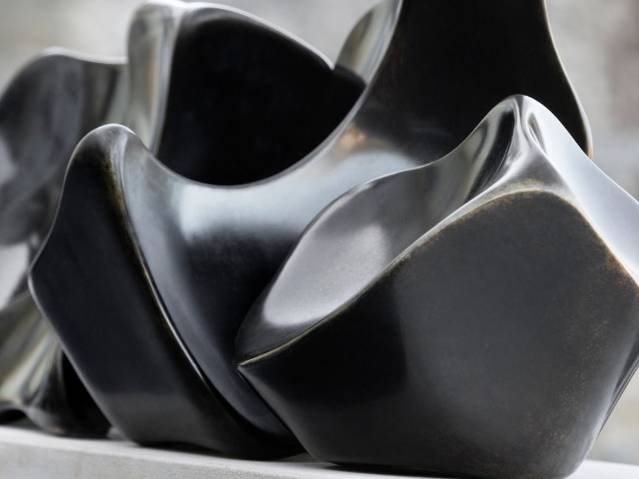
Bronze
One of the most valued materials in museum collections.
Its advantages include:
- exceptional durability
- fine detail reproduction
- long-term stability
- prestigious artistic tradition
At Alfa Arte, our expertise in artistic foundry services supports museums, cultural institutions, and artists in producing high-quality bronze sculptures.
Stone
A traditional material widely represented in historical collections.
Common materials include:
- marble
- granite
- limestone
Stainless Steel
Frequently used in contemporary sculpture.
Advantages include:
- structural strength
- modern aesthetics
- corrosion resistance
- low maintenance
Aluminum
An excellent choice for large-scale sculptures where reducing weight is an important consideration.
Technical Considerations for Museum Sculpture Projects
Museum sculptures require careful technical planning.
Important considerations include:
- structural engineering
- anchoring systems
- specialized transportation
- environmental control
- exhibition lighting
- accessibility
- security
Every project must be adapted to both the artwork and the specific requirements of the museum.
Through our expertise in metalworking and technical structures, Alfa Arte develops technically complex sculptural projects for museums and cultural institutions.
Transportation and Installation
Moving sculptures safely requires specialized expertise.
Museum projects often involve:
- custom protective packaging
- national and international transport
- crane operations
- on-site installation
- coordination with conservation teams
Proper planning ensures the safety of both the artwork and the museum building.
Our logistics, installation, and transport services support museum projects from fabrication through final installation.
Sculpture as Cultural Heritage
Museum sculptures represent an essential part of the world’s cultural heritage.
They help to:
- preserve traditional craftsmanship
- document artistic movements
- educate future generations
- support academic research
- encourage cultural exchange
Each new acquisition contributes to the cultural legacy that museums preserve for society.
Final Thoughts: Museum Sculptures
Museum sculptures play a vital role in preserving, interpreting, and expanding artistic heritage. Whether displayed in permanent collections, temporary exhibitions, or contemporary installations, they enrich visitor experiences while strengthening the cultural identity of museums.
Their fabrication, transportation, and installation require a combination of artistic excellence, technical expertise, and careful planning to ensure both long-term preservation and successful integration into museum environments.
At Alfa Arte, we collaborate with museums, foundations, artists, and architects to fabricate, transport, and install sculptures for cultural institutions, combining traditional craftsmanship with advanced engineering to bring ambitious artistic projects to life.