

Metal Sculpture Fabrication: Processes, Materials, and Techniques for Large-Scale Artworks
Metal sculpture fabrication combines artistic creativity, engineering expertise, and advanced manufacturing processes to transform an artistic vision into a durable three-dimensional artwork. From small indoor sculptures to monumental public installations, every project requires careful planning, technical precision, and expert craftsmanship.
Today, metal sculptures can be found in public spaces, museums, corporate buildings, hotels, universities, parks, and architectural developments around the world. Their durability, versatility, and aesthetic possibilities make metal one of the most widely used materials in contemporary sculpture.
Every project presents unique challenges, balancing the artist’s vision with structural performance, fabrication techniques, transportation, and long-term preservation.
What Is Metal Sculpture Fabrication?
Metal sculpture fabrication is the process of transforming an artistic concept into a finished sculpture using a variety of metals and manufacturing techniques.
Depending on the project, the fabrication process may include:
- conceptual development
- physical or digital modeling
- structural engineering
- metal fabrication
- casting
- welding
- CNC machining
- finishing
- transportation
- installation
Each stage plays an essential role in ensuring both artistic quality and structural reliability.
Materials Commonly Used in Metal Sculpture Fabrication
Material selection depends on the sculpture’s design, intended location, and structural requirements.
Bronze
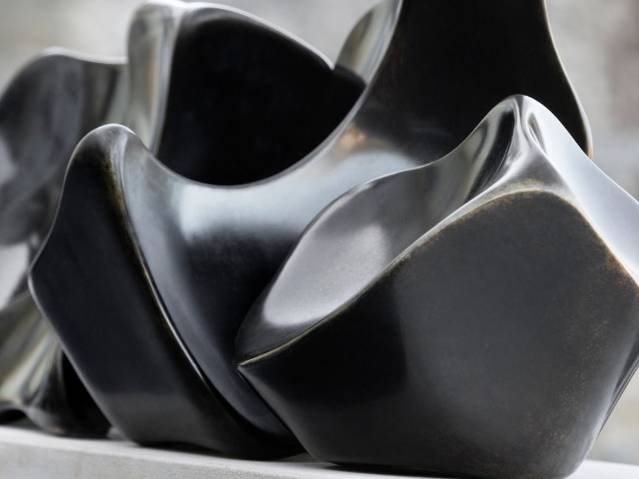
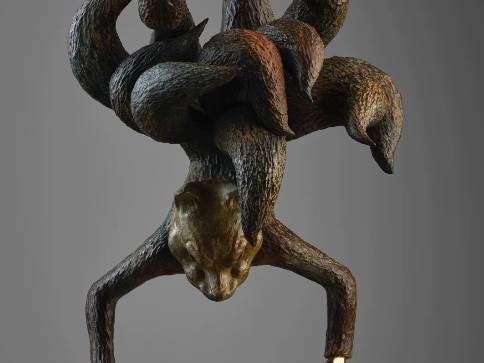
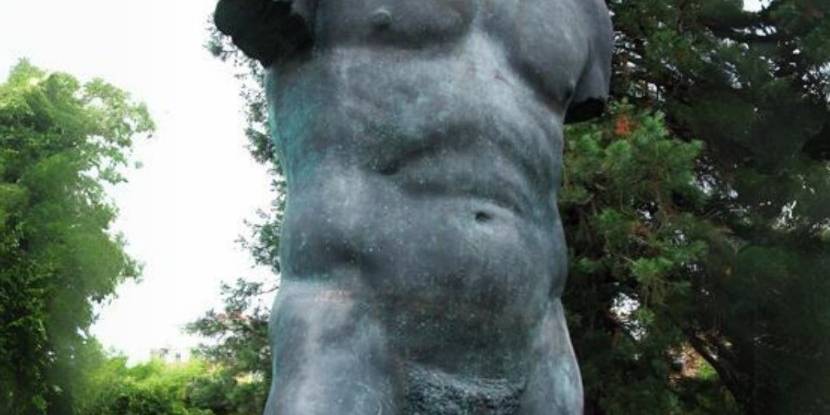
Bronze remains one of the most respected materials in artistic sculpture.
Its advantages include:
- exceptional detail reproduction
- outstanding durability
- corrosion resistance
- prestigious artistic tradition
At Alfa Arte, our expertise in artistic foundry services includes bronze, aluminum, and stainless steel sculptures for projects of every scale.
Stainless Steel
A popular material for contemporary sculpture because of its:
- structural strength
- long service life
- modern appearance
- minimal maintenance
Corten Steel
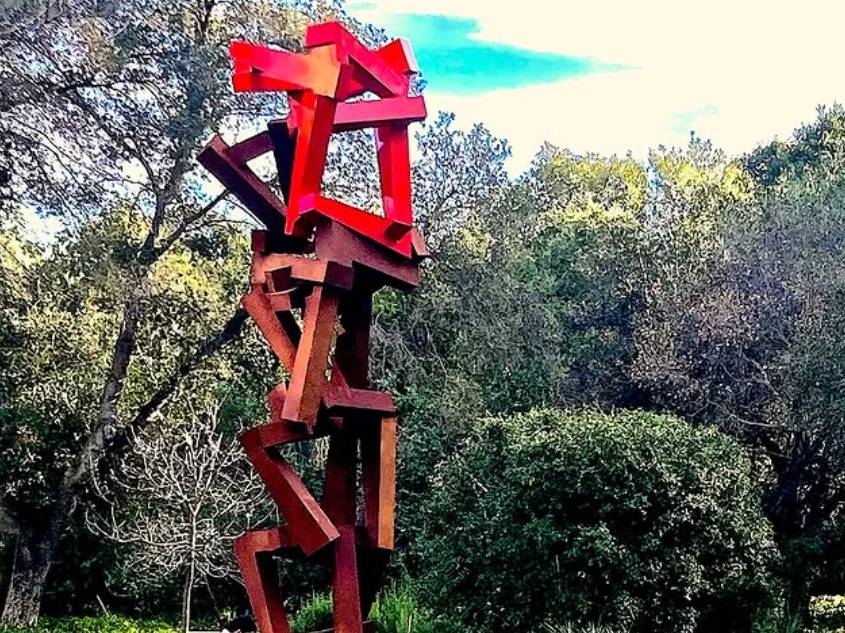
An excellent choice for outdoor sculptures.
Its benefits include:
- outstanding weather resistance
- distinctive architectural appearance
- natural integration with landscape and architecture
Aluminum
Ideal for monumental sculptures where reducing structural weight is important.
Advantages include:
- lightweight construction
- high strength
- easy machining
- exceptional versatility
The Metal Sculpture Fabrication Process
Although every sculpture is unique, most projects follow a similar workflow.
1. Concept Development
Every project begins with the artistic vision.
This stage evaluates:
- design
- dimensions
- installation site
- materials
- technical feasibility
Alfa Arte supports this phase through its artistic consultancy, helping artists, architects, and institutions transform ideas into technically achievable projects.
2. Modeling
Before fabrication begins, a physical or digital model is typically created.
This may involve:
- clay modeling
- plastiline
- foam
- 3D printing
- digital sculpting
Models allow designers to verify proportions while solving technical challenges before production starts.
Alfa Arte also offers digital modeling and 3D scanning for sculptures of every scale.
3. Structural Engineering
Engineering becomes particularly important for large-scale sculptures.
Key considerations include:
- weight
- structural loads
- wind resistance
- anchoring systems
- foundations
- transportation
Proper engineering ensures long-term structural stability.
4. Structural Fabrication
Many sculptures require an internal framework before the exterior surfaces are assembled.
This structure may consist of:
- steel profiles
- tubular frames
- steel plates
- welded reinforcements
Alfa Arte develops these systems through its metalworking and technical structures services.
5. Manufacturing Individual Components
Depending on the design, components may be produced using:
- metal casting
- laser cutting
- waterjet cutting
- metal bending
- CNC machining
- welding
- hand fabrication
The chosen process depends on the material, scale, and complexity of the sculpture.
6. Assembly
Once individual components are completed, the sculpture is assembled.
This stage typically includes:
- welding
- dimensional adjustments
- structural inspections
- alignment verification
For monumental sculptures, partial assembly may take place in the workshop before final assembly on site.
7. Surface Finishing
Surface treatments determine both the sculpture’s appearance and long-term durability.
Common finishes include:
- patinas
- polishing
- protective coatings
- anti-corrosion treatments
- satin finishes
- mirror finishes
These treatments help the sculpture withstand environmental conditions while achieving the desired artistic effect.
Fabricating Large-Scale Metal Sculptures
Monumental sculptures present additional technical challenges.
Projects often require:
- modular fabrication
- oversized transportation
- crane operations
- removable structural connections
- international logistics planning
Careful coordination ensures efficient installation and long-term structural integrity.
Quality Control
Before delivery, each sculpture undergoes multiple inspections.
These typically include:
- structural verification
- weld quality inspection
- dimensional accuracy
- surface finish evaluation
- compliance with design specifications
Quality control ensures that every sculpture meets both artistic and engineering standards.
Transportation and Installation
The fabrication process extends beyond the workshop.
Large metal sculptures require specialized transportation and installation planning.
This may include:
- custom protective packaging
- national and international shipping
- heavy lifting operations
- foundation preparation
- final assembly
- structural safety inspections
Through our logistics, installation, and transport services, Alfa Arte manages every stage of the project from fabrication through final installation.
Applications of Metal Sculpture Fabrication
Metal sculptures are widely used in:
- public plazas
- parks
- museums
- hotels
- corporate headquarters
- universities
- cultural centers
- urban developments
- commercial spaces
Their strength, durability, and versatility make them one of the preferred solutions for both public and private commissions.
Final Thoughts: Metal Sculpture Fabrication
Metal sculpture fabrication is a multidisciplinary process that combines artistic creativity, engineering precision, and advanced manufacturing techniques to transform concepts into durable works of art. From conceptual development to final installation, every stage requires experience, technical expertise, and close collaboration between artists, engineers, and specialized fabricators.
At Alfa Arte, we fabricate metal sculptures for artists, architects, institutions, and private clients worldwide, providing a complete service that includes artistic consultancy, digital modeling, foundry, metal fabrication, finishing, transportation, and installation—delivering technically outstanding sculptures at any scale.