

Mesopotamian Sculpture: Origins, Symbolism, and the Artistic Legacy of Early Civilizations
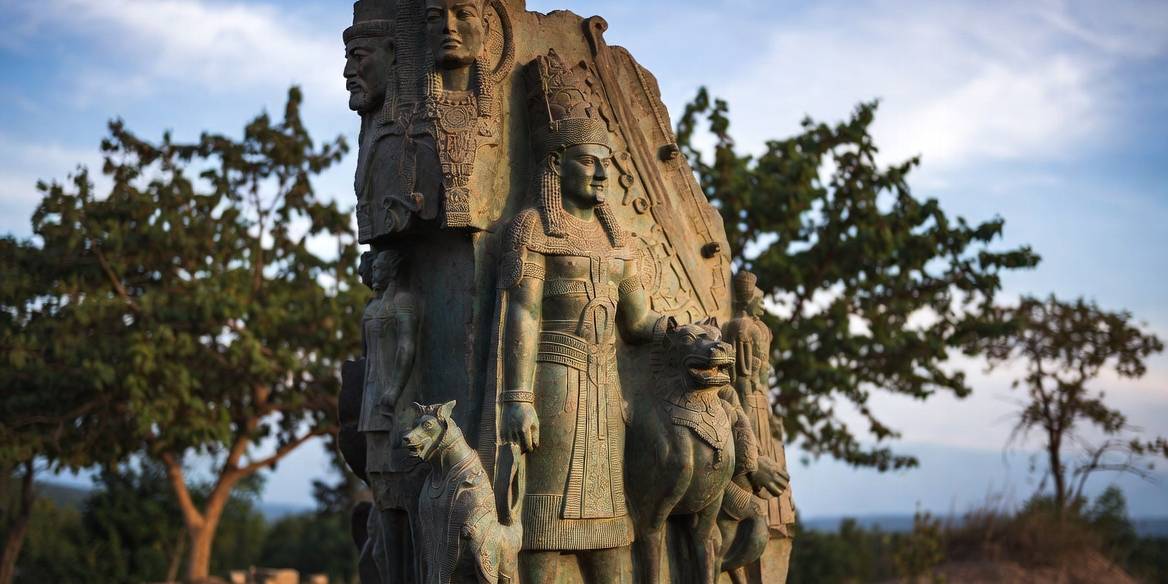
Mesopotamian sculpture represents one of the earliest and most influential chapters in the history of art. Emerging in the cradle of civilization between the Tigris and Euphrates rivers, this sculptural tradition reflects the cultural, political, and spiritual development of some of humanity’s first complex urban societies.
Long before the classical achievements of Greece or the monumental public sculpture of Rome, Mesopotamian civilizations had already established a highly structured visual language through sculpture. These works were not created primarily for aesthetic contemplation in the modern sense. Instead, they served religious, ceremonial, political, and commemorative functions, embodying power, belief, protection, and social order.
From small devotional statuettes to monumental architectural guardians, Mesopotamian sculpture demonstrates how early civilizations used three-dimensional form to shape collective identity and communicate authority.
Understanding this artistic tradition means tracing the foundations of organized sculptural practice itself.
What Is Mesopotamian Sculpture?
Mesopotamian sculpture refers to the three-dimensional artistic production developed by the ancient civilizations of Mesopotamia, including the Sumerians, Akkadians, Babylonians, and Assyrians.
These sculptures served multiple purposes:
- religious devotion
- ceremonial display
- royal propaganda
- architectural integration
- memorial representation
- symbolic protection
Subjects frequently included:
- gods and divine beings
- rulers and kings
- priests and worshippers
- mythological creatures
- military narratives
- ceremonial scenes
- protective monumental figures
Unlike later classical sculpture, Mesopotamian works generally prioritized symbolism and hierarchy over anatomical realism.
Historical Context
Mesopotamia, meaning “land between rivers,” occupied a region corresponding largely to present-day Iraq, with influence extending into parts of Syria and Turkey.
This region gave rise to some of the world’s earliest advanced civilizations:
- Sumer
- Akkad
- Babylon
- Assyria
These cultures developed:
- writing systems
- monumental architecture
- centralized political power
- religious institutions
- organized artistic production
Sculpture emerged as a key medium through which these societies communicated authority, spiritual belief, and collective memory.
Defining Characteristics of Mesopotamian Sculpture
Mesopotamian sculpture possesses a distinct visual identity.
Frontal Composition
Figures are often presented frontally.
This creates a sense of:
- permanence
- authority
- ritual solemnity
- visual stability
The composition reinforces symbolic presence rather than natural movement.
Hierarchical Representation
Scale often reflects status rather than realism.
Examples include:
- rulers depicted larger than attendants
- divine beings emphasized through exaggerated proportions
- subordinate figures reduced in size
This hierarchical visual logic communicated power clearly.
Symbolic Expression
Recurring visual traits include:
- oversized eyes
- rigid postures
- stylized anatomy
- clasped hands in prayer
Large eyes often symbolized perpetual awareness, devotion, or spiritual vigilance.
Narrative Relief Sculpture
Particularly in Assyrian art, sculpture became an important narrative tool.
Reliefs depicted:
- military campaigns
- royal hunts
- victories
- religious rituals
- state ceremonies
These works functioned as visual political messaging.
Materials Used in Mesopotamian Sculpture
Material availability strongly shaped artistic production.
Stone
Although less abundant in some Mesopotamian regions, stone was reserved for prestigious works.
Common materials included:
- alabaster
- diorite
- limestone
- basalt
Stone was used for:
- royal portraits
- architectural reliefs
- monumental sculptures
- devotional figures
Clay
One of the most abundant materials in Mesopotamia.
Used extensively for:
- figurines
- relief plaques
- ceremonial objects
- architectural decorative elements
Its accessibility made it central to everyday artistic production.
Metal
Bronze, copper, and metal alloys played important roles.
Applications included:
- ceremonial sculpture
- ritual objects
- decorative weaponry
- prestige artistic works
At Alfa Arte, our expertise in artistic foundry services reflects the same fundamental sculptural principle of transforming metal into enduring artistic expression.
Sculptural Techniques
Carving
Primary technique for stone sculpture.
Typical stages included:
- material extraction
- rough shaping
- formal definition
- surface detailing
Modeling
Widely used with clay.
Allowed efficient production of devotional and symbolic forms.
Metal Casting
Mesopotamian civilizations developed sophisticated metallurgical knowledge.
Early metal sculpture laid important groundwork for later casting traditions.
Major Types of Mesopotamian Sculpture
Sumerian Votive Figures
Among the most recognizable Mesopotamian works.
Characteristics include:
- clasped hands
- upright posture
- oversized eyes
- simplified proportions
These figures represented perpetual prayer before the gods.
Akkadian Royal Sculpture
Introduced greater naturalism and political symbolism.
Royal portraiture projected:
- authority
- military strength
- centralized power
Assyrian Relief Sculpture
One of the most remarkable achievements of Mesopotamian art.
Themes included:
- warfare
- royal hunting scenes
- imperial victories
- ceremonial power
These works were integrated into palace architecture.
Lamassu
Perhaps the most iconic monumental Mesopotamian sculptures.
These hybrid protective beings combined:
- human heads
- wings
- bull or lion bodies
They symbolized:
- divine protection
- strength
- royal authority
Their scale and architectural placement make them early masterpieces of monumental sculpture.
Influence on Art History
Mesopotamian sculpture established principles that remain relevant today:
- symbolic monumentality
- architectural integration
- sculptural storytelling
- political representation through art
- spatial authority
Many of these concepts continue in:
- public monuments
- memorial sculpture
- institutional art
- architectural sculptural interventions
At Alfa Arte, contemporary sculptural production often engages with similar principles of structural integration and symbolic presence through services such as metalworking and technical structures.
Conservation Challenges
Ancient Mesopotamian sculptures face significant preservation risks:
- erosion
- material fragility
- historical looting
- environmental degradation
- structural cracking
Conservation requires specialized intervention.
Our restoration and conservation expertise is grounded in the same commitment to preserving both the material and symbolic integrity of sculptural works.
Final Thoughts: Mesopotamian Sculpture
Mesopotamian sculpture stands at the very beginning of organized sculptural history. These works were far more than decorative objects—they embodied power, belief, memory, and social structure within some of humanity’s earliest civilizations.
Their legacy remains visible in contemporary monumental art, architectural sculpture, and the continuing idea that three-dimensional form can communicate authority, spirituality, and cultural identity.
At Alfa Arte, we understand sculpture as the intersection of artistic meaning, technical mastery, and material precision. Through both traditional craftsmanship and advanced fabrication methods, we collaborate on sculptural works designed to endure culturally and physically.