

Hospital Sculptures: How Art Creates Healing Environments and Enhances Healthcare Architecture
Modern hospitals are far more than facilities dedicated to medical care. They are environments where architecture, design, and art work together to improve the experience of patients, families, healthcare professionals, and visitors. Within these settings, hospital sculptures play an increasingly important role by creating welcoming spaces, reducing visual stress, and strengthening the identity of healthcare institutions.
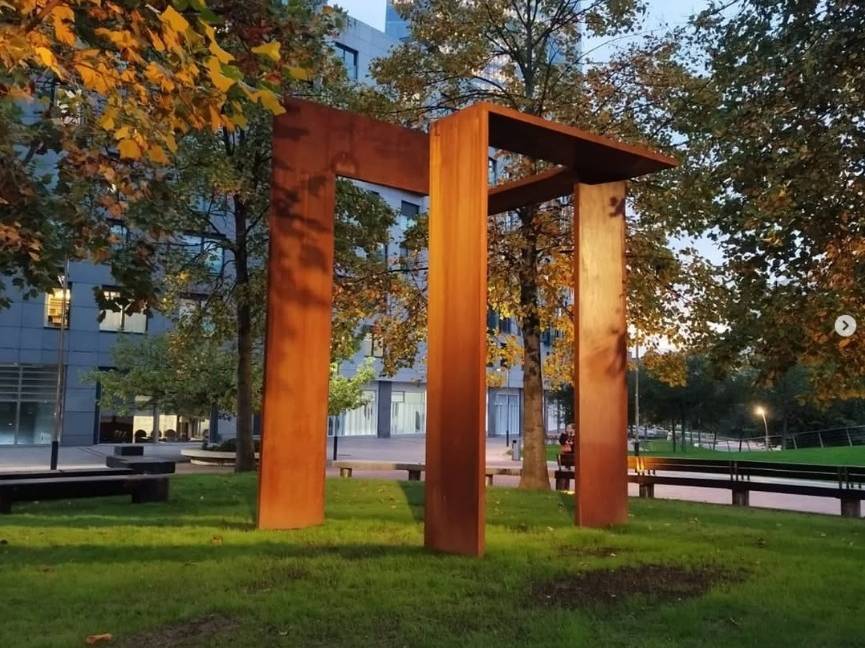
Whether installed in healing gardens, entrance plazas, reception areas, courtyards, or outdoor landscapes, sculptures help humanize healthcare architecture while creating emotional connections with the people who use these spaces. Beyond their artistic value, they contribute to calmer, more inspiring environments where well-being becomes part of the overall healthcare experience.
Today, hospitals, medical centers, and healthcare campuses increasingly commission sculptures as part of their architectural projects to improve both their institutional image and the quality of their public spaces.
Why Install Sculptures in Hospitals?
The design of healthcare environments has a direct impact on how patients, visitors, and staff experience a hospital.
Hospital sculptures help to:
- humanize healthcare spaces
- create welcoming environments
- strengthen institutional identity
- enhance architectural design
- enrich healing gardens
- improve emotional well-being
- integrate public art into healthcare facilities
A carefully designed sculpture can become a recognizable landmark while conveying calm, hope, and confidence.
The Importance of Art in Healthcare Environments
Many contemporary healthcare facilities incorporate art as part of their architectural strategy.
Sculptures contribute by creating spaces that feel more comfortable and less clinical.
Reducing Stress
Thoughtfully designed environments can help reduce anxiety and improve the overall visitor experience.
Art contributes to creating warmer, more welcoming healthcare facilities.
Reinforcing Institutional Identity
Custom sculptures can communicate values such as:
- care
- innovation
- hope
- compassion
- research
- community
These works reinforce the hospital’s mission while creating meaningful public spaces.
Enhancing Healthcare Architecture
Sculptures establish connections between buildings, gardens, courtyards, and outdoor spaces, creating a more cohesive architectural experience.
Where Can Sculptures Be Installed in Hospitals?
Main Entrances
Entrance sculptures create a strong first impression while welcoming patients and visitors.
Reception Areas
Large entrance halls often feature sculptures that reinforce the institution’s identity and improve the visitor experience.
Healing Gardens
Many hospitals now include therapeutic gardens designed to promote relaxation and recovery.
Sculptures enhance these landscapes while encouraging contemplation and well-being.
Courtyards
Interior courtyards provide ideal locations where sculpture, architecture, and nature can interact harmoniously.
Types of Hospital Sculptures
Abstract Sculptures
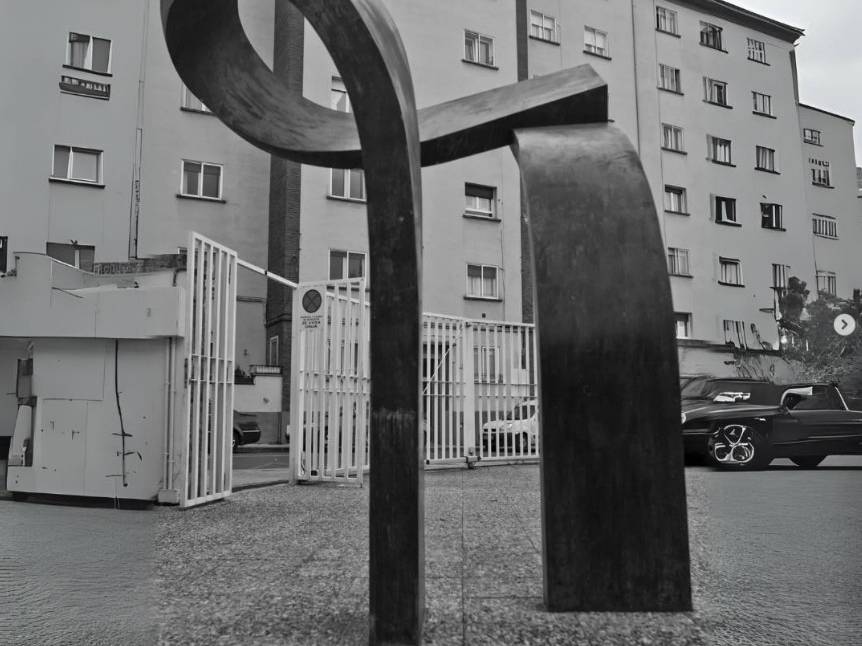
The most common choice in contemporary healthcare architecture.
Their open interpretation creates peaceful visual experiences without imposing specific meanings.
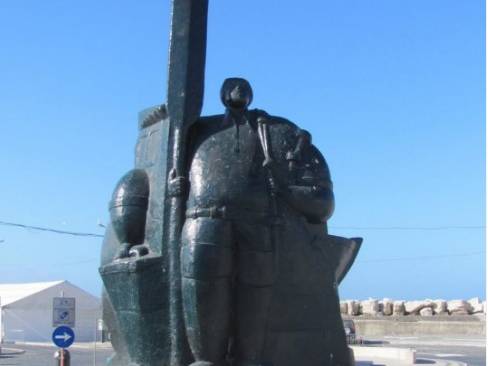
Figurative Sculptures
These works may represent themes such as:
- life
- hope
- compassion
- nature
- healing
They create emotional connections while supporting the hospital’s values.
Monumental Sculptures
Ideal for entrance plazas and large healthcare campuses.
They become iconic landmarks that strengthen institutional identity.
Site-Specific Sculptures
Designed specifically for a particular healthcare facility.
These sculptures integrate with:
- architecture
- landscape
- pedestrian circulation
- institutional identity
The result is a seamless relationship between art and healthcare design.
Materials Commonly Used
Material selection depends on durability, maintenance requirements, and architectural integration.
Bronze
Bronze remains one of the most respected materials for public sculpture.
Its advantages include:
- exceptional durability
- refined appearance
- artistic prestige
- excellent outdoor performance
At Alfa Arte, our expertise in artistic foundry services supports sculpture projects for hospitals, public institutions, and healthcare facilities.
Stainless Steel
An excellent choice for contemporary healthcare architecture.
Benefits include:
- corrosion resistance
- hygienic appearance
- low maintenance
- modern aesthetics
Aluminum
Its lightweight properties make aluminum ideal for large-scale sculptures while simplifying transportation and installation.
Stone
Stone sculptures communicate permanence, tranquility, and stability.
Common materials include:
- granite
- marble
- limestone
Engineering and Technical Considerations
Hospital sculptures must satisfy strict technical and safety requirements.
Important considerations include:
- structural stability
- accessibility
- public safety
- weather resistance
- ease of maintenance
- architectural integration
Every project should balance artistic expression with long-term durability and functionality.
Alfa Arte develops technically advanced projects through its expertise in metalworking and technical structures, ensuring every sculpture combines artistic quality with engineering precision.
Installation and Logistics
Installing sculptures within active healthcare environments requires careful planning.
Projects typically involve:
- specialized transportation
- coordinated site access
- crane operations
- foundation preparation
- final installation
- structural inspection
Hospital operations must continue with minimal disruption throughout the installation process.
Through our logistics, installation, and transport services, Alfa Arte manages sculpture projects from fabrication through final installation.
Long-Term Benefits
Hospital sculptures provide lasting value by:
- improving healthcare environments
- strengthening institutional identity
- enhancing architectural quality
- creating more welcoming public spaces
- enriching healthcare campuses with art
- supporting patient well-being
These installations help transform hospitals into environments where architecture, landscape, and public art work together to create more human-centered spaces.
Final Thoughts: Hospital Sculptures
Hospital sculptures demonstrate how art can positively influence healthcare environments by creating spaces that are more welcoming, inspiring, and emotionally supportive. Whether installed in entrance plazas, healing gardens, courtyards, or public areas, sculpture enhances both architecture and the overall experience of patients, visitors, and healthcare professionals.
At Alfa Arte, we collaborate with architects, artists, healthcare institutions, and public organizations to fabricate, transport, and install custom hospital sculptures that combine artistic excellence, specialized engineering, and technical expertise for healthcare projects of every scale.