

Airport Sculptures: Enhancing Passenger Experience Through Public Art
Airports are no longer simply transportation hubs. They have evolved into complex architectural environments that welcome millions of passengers every year while representing the identity, culture, and aspirations of the cities they serve. Within these dynamic spaces, airport sculptures have become powerful visual landmarks that enrich passenger experiences and reinforce the architectural character of airport terminals.
Whether installed in arrival halls, departure lounges, exterior plazas, gardens, or transportation connections, sculptures transform functional spaces into memorable public environments. Beyond their artistic value, they help create a sense of place, celebrate local culture, and improve the overall passenger journey.
As airports continue expanding around the world, integrating large-scale public art has become an essential part of contemporary airport design.
Why Install Sculptures in Airports?
Modern airports aim to provide memorable experiences that extend beyond travel itself.
Airport sculptures help to:
- strengthen airport identity
- improve passenger experience
- enhance architectural design
- celebrate local culture
- create iconic landmarks
- enrich public spaces
- reinforce the city’s image
A well-designed sculpture often becomes one of the most photographed features of an airport.
The Role of Public Art in Airport Design
Public art has become an important component of airport architecture.
Sculptures contribute by creating spaces that feel more welcoming and culturally distinctive.
Creating a Sense of Place
Every airport represents a unique destination.
Custom sculptures can reflect:
- local history
- regional culture
- natural landscapes
- innovation
- artistic heritage
These artworks immediately connect travelers with the identity of the region.
Improving Passenger Experience
Large terminals can often feel repetitive and impersonal.
Sculptures introduce visual interest while making spaces easier to remember and navigate.
Reinforcing Architectural Design
Sculptures complement contemporary airport architecture by integrating art with:
- open spaces
- natural light
- circulation routes
- landscape design
Where Are Sculptures Installed in Airports?
Entrance Plazas
Large outdoor sculptures create impressive arrival experiences while strengthening the airport’s identity.
Terminal Halls
Reception halls and check-in areas often feature iconic artworks that welcome passengers.
Departure Lounges
Sculptures create more pleasant waiting environments while enriching passenger experience.
Arrival Areas
Artwork in arrival halls provides visitors with an immediate introduction to the destination.
Outdoor Gardens
Many airports include landscaped outdoor areas where monumental sculptures become visual landmarks.
Types of Airport Sculptures
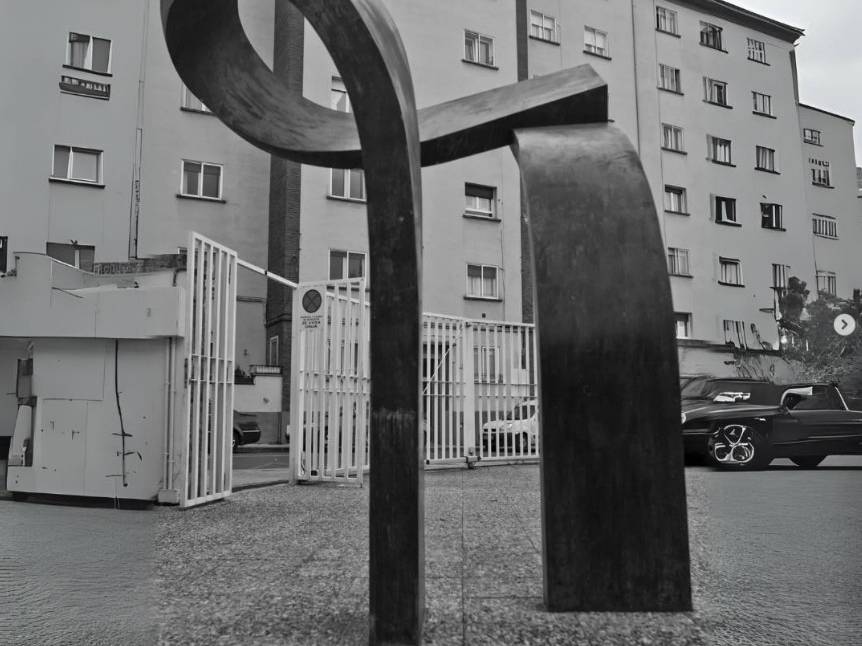
Monumental Sculptures
Large-scale sculptures are particularly effective in airport environments because they remain visually prominent within expansive architectural spaces.
Abstract Sculptures
Abstract works integrate naturally with contemporary terminal architecture while encouraging multiple interpretations.
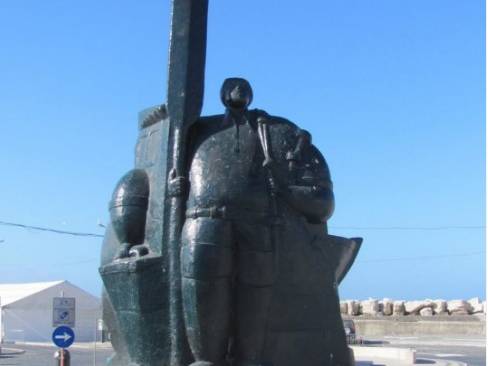
Figurative Sculptures
These sculptures often celebrate:
- local history
- aviation pioneers
- cultural traditions
- regional wildlife
Site-Specific Sculptures
Many airports commission artworks designed specifically for a particular terminal or public space.
These sculptures respond directly to:
- architectural design
- passenger circulation
- lighting conditions
- surrounding landscape
Materials Commonly Used
Airport sculptures require durable materials capable of withstanding heavy public use.
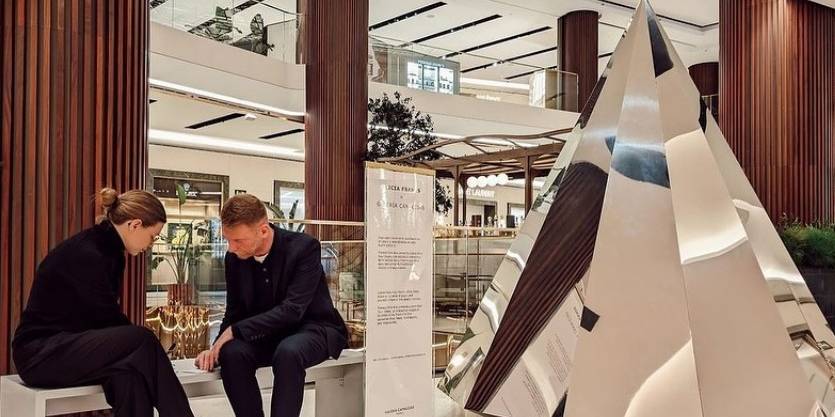
Stainless Steel
One of the most popular choices.
Advantages include:
- corrosion resistance
- modern appearance
- low maintenance
- exceptional durability
Bronze
Bronze remains a preferred material for commemorative and artistic public sculptures.
At Alfa Arte, our expertise in artistic foundry services supports the fabrication of sculptures for transportation hubs, public institutions, and architectural projects.
Aluminum
Its lightweight properties make aluminum particularly suitable for large suspended or freestanding sculptures.
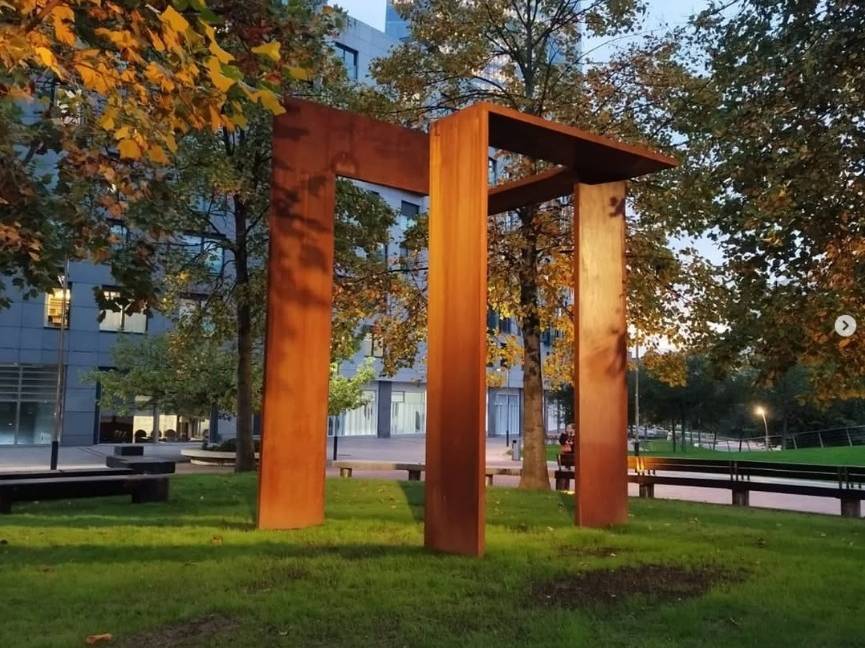
Corten Steel
Increasingly used in exterior airport landscapes because of its architectural character and weather resistance.
Engineering and Technical Considerations
Airport sculptures require advanced engineering.
Projects often involve:
- structural calculations
- wind resistance analysis
- seismic considerations
- public safety
- accessibility
- maintenance planning
Every installation must comply with strict airport operational requirements.
Alfa Arte develops technically demanding sculpture projects through its expertise in metalworking and technical structures.
Installation and Logistics
Installing sculptures in operational airports requires precise coordination.
Projects typically include:
- specialized transportation
- crane operations
- restricted access planning
- coordination with airport authorities
- phased installation
- structural inspections
Through our logistics, installation, and transport services, Alfa Arte manages sculpture projects from fabrication through final installation.
Long-Term Benefits
Airport sculptures provide lasting value by:
- strengthening airport branding
- improving passenger experience
- enhancing public architecture
- creating memorable landmarks
- celebrating local identity
- increasing cultural value
Many airport sculptures become internationally recognized symbols associated with the cities they represent.
Final Thoughts: Airport Sculptures
Airport sculptures combine art, architecture, and engineering to create welcoming, memorable environments for millions of travelers. Whether installed inside terminals or across airport landscapes, these works enrich public spaces while strengthening the cultural identity of the destination.
At Alfa Arte, we collaborate with architects, artists, airport authorities, and public institutions to fabricate, transport, and install custom airport sculptures, delivering technically advanced projects that combine artistic excellence, engineering expertise, and long-term durability.