

Sculptures for Gardens: How Art Transforms Outdoor Spaces
Garden sculptures have been an integral part of landscape design for centuries. From classical European estates to contemporary residential gardens, sculpture has the unique ability to transform outdoor spaces into environments that combine nature, architecture, and artistic expression.
Unlike indoor artworks, sculptures placed in gardens interact continuously with changing light, vegetation, weather conditions, and seasonal transformations. As a result, they become living elements within the landscape rather than isolated artistic objects.
Today, sculptures for gardens are used in private residences, hotels, museums, public parks, corporate campuses, and botanical gardens. They can serve as focal points, create visual rhythm, establish identity, or simply encourage contemplation within a natural setting.
Understanding how garden sculptures function requires considering not only artistic aesthetics but also scale, materials, durability, and integration with the surrounding environment.
What Are Garden Sculptures?
Garden sculptures are three-dimensional artworks specifically designed or selected for outdoor landscaped environments.
They may be intended to:
- create a focal point
- complement architectural features
- enhance landscape design
- provide symbolic meaning
- encourage interaction
- introduce artistic contrast within natural surroundings
Garden sculptures range from small decorative pieces to monumental installations that become defining elements of an entire landscape.
The History of Garden Sculpture
The relationship between sculpture and gardens has deep historical roots.
Ancient Civilizations
Many ancient cultures incorporated sculpture into sacred and ceremonial landscapes.
Examples include:
- Egyptian temple gardens
- Greek sanctuaries
- Roman villas
- Persian palace gardens
These sculptures often represented deities, rulers, or symbolic figures connected to spirituality and power.
Renaissance and Classical Gardens
During the Renaissance, sculpture became a central component of formal garden design.
Italian and French gardens frequently featured:
- mythological figures
- fountains
- allegorical sculptures
- monumental statuary
The goal was to create harmony between art, nature, and architecture.
Contemporary Landscapes
Modern garden sculpture embraces a much wider range of materials, styles, and artistic approaches.
Today, sculptures may be:
- abstract
- geometric
- figurative
- minimalist
- environmental
- site-specific
This diversity allows artworks to respond directly to their landscape context.
Choosing the Right Sculpture for a Garden
Selecting a sculpture involves much more than aesthetic preference.
Several factors must be considered.
Scale
One of the most important aspects is proportion.
A sculpture should relate appropriately to:
- garden size
- surrounding vegetation
- nearby buildings
- viewing distances
A piece that is too small may disappear within the landscape, while one that is too large may dominate the environment excessively.
Visibility and Placement
The sculpture’s location influences its impact.
Common placements include:
- central garden axes
- entrances
- water features
- open lawns
- pathways
- elevated viewpoints
Designers often consider how the sculpture will be experienced from multiple angles and distances.
Relationship with Nature
Successful garden sculpture creates dialogue with the landscape.
This can occur through:
- material contrast
- complementary forms
- interaction with vegetation
- seasonal changes
- reflections and shadows
The sculpture becomes part of the garden’s evolving visual experience.
Best Materials for Garden Sculptures
Material selection is critical for outdoor durability and aesthetic performance.
Bronze
One of the most traditional materials for outdoor sculpture.
Advantages include:
- exceptional durability
- elegant aging process
- fine detail reproduction
- strong artistic heritage
Bronze develops natural patinas that enhance its character over time.
At Alfa Arte, our expertise in artistic foundry services allows artists and institutions to create durable bronze sculptures designed for long-term outdoor installation.
Stainless Steel
Popular in contemporary sculpture.
Benefits:
- corrosion resistance
- reflective surfaces
- modern appearance
- structural strength
It interacts dynamically with light and surrounding vegetation.
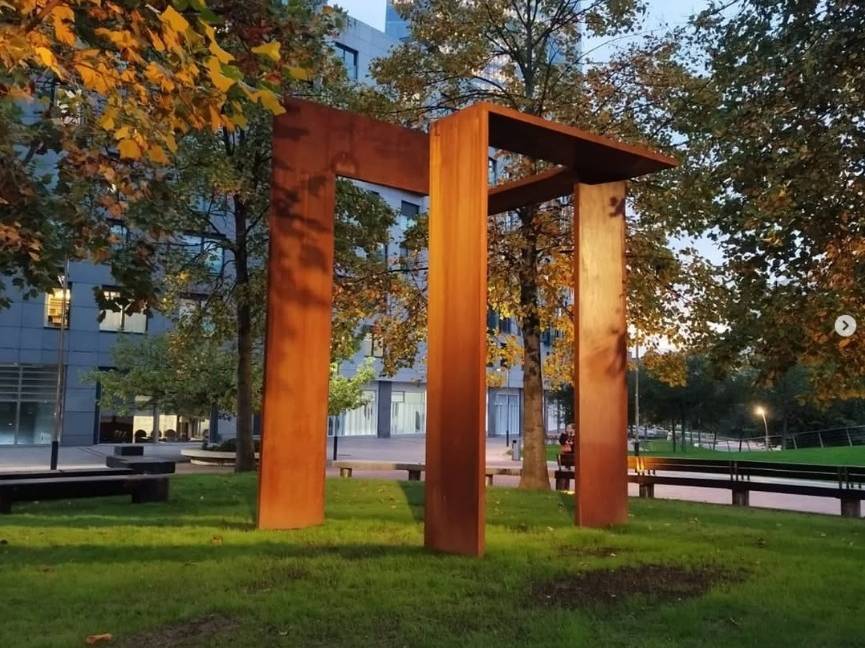
Corten Steel
Increasingly common in landscape design.
Characteristics include:
- warm rust-colored surface
- architectural presence
- weather-resistant properties
- compatibility with natural environments
Corten steel often blends particularly well with gardens and public landscapes.
Stone
A timeless choice for outdoor sculpture.
Common options include:
- marble
- granite
- limestone
- sandstone
Stone conveys permanence and natural integration.
Aluminum
Ideal for large-scale sculptures requiring reduced weight.
Advantages include:
- lightness
- corrosion resistance
- versatility
- structural efficiency
Popular Styles of Garden Sculpture
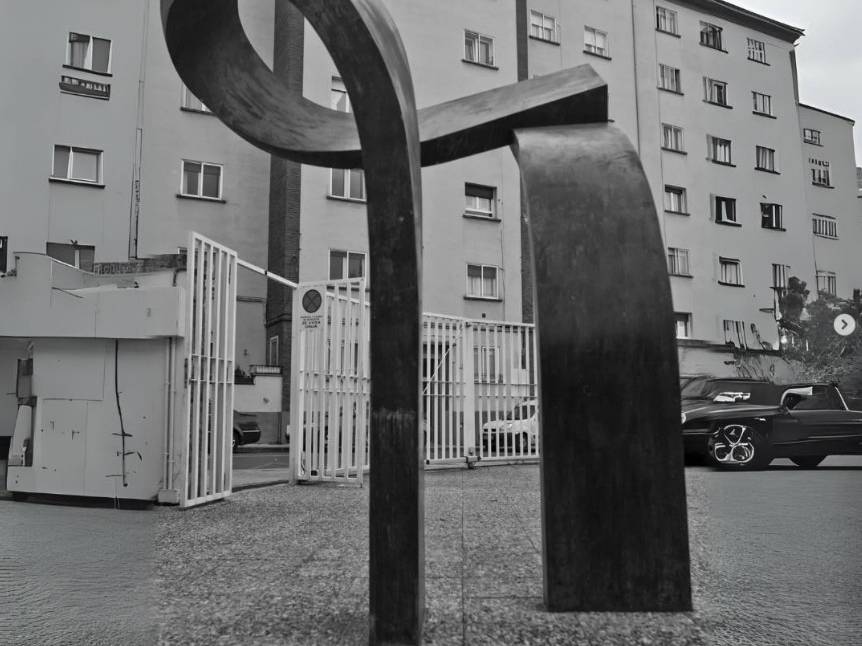
Abstract Sculpture
Highly popular in contemporary landscapes.
Abstract works can:
- create visual tension
- frame views
- encourage interpretation
- complement modern architecture
Figurative Sculpture
Includes:
- human figures
- animals
- symbolic representations
Often used in classical or traditional gardens.
Geometric Sculpture
Clean forms and strong lines make geometric sculpture particularly suitable for contemporary landscapes.
These works often emphasize:
- balance
- proportion
- spatial interaction
Environmental Sculpture
Designed specifically for a particular site.
These sculptures may interact directly with:
- terrain
- vegetation
- water
- sunlight
The landscape becomes part of the artwork itself.
Large Garden Sculptures and Monumental Landscapes
Large-scale sculpture is increasingly used in:
- sculpture parks
- luxury hotels
- resorts
- public gardens
- corporate headquarters
- cultural institutions
These projects require specialized expertise in:
- engineering
- transportation
- installation
- structural design
Our experience in metalworking and technical structures supports the fabrication of large-scale sculptures designed for complex outdoor environments.
Installation Considerations
Installing a garden sculpture requires careful planning.
Key considerations include:
- foundation systems
- wind loads
- drainage
- soil conditions
- accessibility
- long-term maintenance
For larger works, engineering becomes as important as artistic execution.
Through our logistics, installation, and transport services, Alfa Arte supports sculptural projects from fabrication through final on-site installation.
Garden Sculpture as a Long-Term Investment
Beyond aesthetics, sculpture can add cultural and architectural value to a property.
Benefits include:
- enhanced landscape identity
- increased visual interest
- creation of focal points
- cultural prestige
- long-term durability
Well-designed sculpture often becomes one of the most memorable features of an outdoor environment.
Final Thoughts: Sculptures for Gardens
Garden sculptures offer a unique opportunity to bring together art, landscape, and architecture. Whether traditional or contemporary, figurative or abstract, they create meaningful connections between people and the spaces they inhabit.
When carefully designed and integrated, sculpture becomes more than decoration—it becomes part of the identity of a garden, evolving alongside the natural environment over time.
At Alfa Arte, we collaborate with artists, architects, landscape designers, and institutions to fabricate, transport, and install sculptures for outdoor environments, combining artistic craftsmanship with technical expertise to create works designed to endure in both form and meaning.