


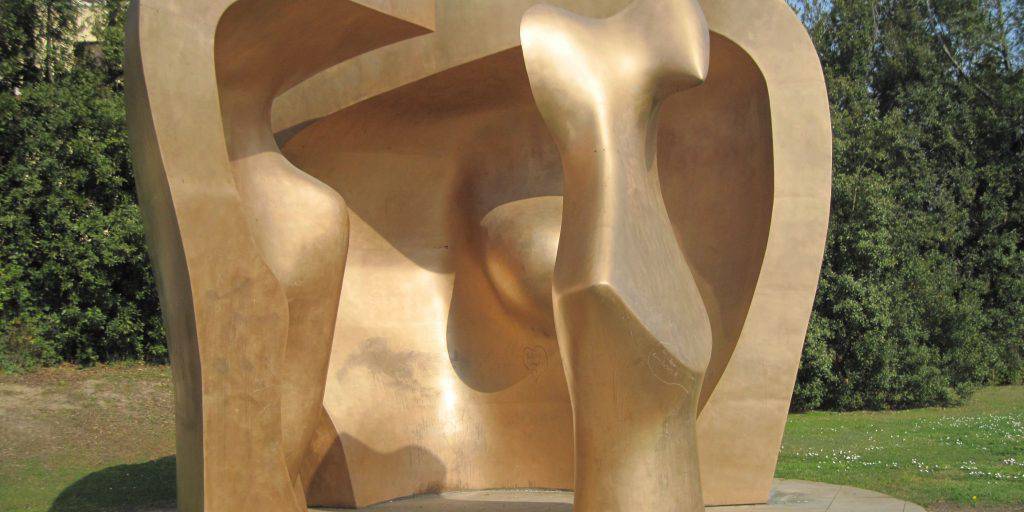
Sculptures in Europe: iconic artworks shaping culture and public space
Europe has one of the most complex and influential sculptural landscapes in the world. From classical masterpieces to large-scale contemporary installations, sculptures in Europe are deeply embedded in cities, landscapes and cultural identity.
What makes European sculpture unique today is the coexistence of centuries-old tradition with cutting-edge contemporary practice. Across the continent, sculpture is no longer confined to museums: it defines public space, interacts with architecture and becomes part of everyday life.
This article explores the most important sculptures in Europe through a ranking of iconic works and a regional overview, highlighting how different parts of the continent have developed distinct sculptural languages.
Ranking: sculptures that shaped Europe’s artistic legacy
1. David – Michelangelo (Florence, Italy)
A cornerstone of Renaissance art and one of the most influential sculptures ever created.
2. Venus de Milo (Paris, France)
An enduring symbol of classical beauty and idealised form.
3. Laocoön and His Sons (Rome, Italy)
A dramatic masterpiece that influenced Renaissance and modern sculpture alike.
4. The Thinker – Auguste Rodin (Paris, France)
A turning point between classical tradition and modern expressive sculpture.
5. Pietà – Michelangelo (Vatican City)
An unparalleled demonstration of technical mastery and emotional restraint.
These works established the foundations upon which contemporary sculptures in Europe continue to evolve.
Northern Europe: sculpture and landscape
In Northern Europe, sculpture often engages directly with nature, climate and vast open spaces. Countries such as Norway, Denmark and Sweden have developed a strong tradition of site-specific sculpture, where the artwork responds to landscape rather than dominating it.
Large-scale installations along coastlines, fjords and parks reflect a restrained but powerful sculptural language, frequently using raw materials such as steel, stone and concrete. In this region, sculpture becomes an extension of the environment, reinforcing Europe’s reputation for integrating art into public life.
Central Europe: structure, memory and abstraction
Central Europe has been a key territory for abstract and conceptual sculpture. In Germany, Austria and Switzerland, sculptural works often explore themes of memory, structure and spatial perception.
Urban sculptures in cities such as Berlin, Vienna and Cologne frequently combine industrial materials with architectural rigor. Many contemporary European artists working in this region rely on technically complex fabrication processes, where the role of specialised artistic workshops becomes essential to translate conceptual ideas into physical form.
Southern Europe: tradition, material and contemporary production
Southern Europe combines historical sculptural heritage with a strong contemporary presence. In Spain, Italy and Portugal, sculpture continues to engage with materiality, craftsmanship and scale.
In Spain in particular, cities such as San Sebastián and Bilbao stand out for the way contemporary sculpture defines urban and cultural identity. Alfa Arte has fabricated works installed in these contexts, collaborating with artists such as Cristina Iglesias, June Crespo, Miquel Barceló and Daniel Canogar. These sculptures form part of public spaces, museums and institutional environments, requiring a high level of technical precision and durability.
Many of these projects are developed through close collaboration between artists and specialised workshops, where processes such as large-scale metal structures and artistic casting play a decisive role. This type of work is closely linked to metalworking and technical structures:
https://alfaarte.com/services/metalworking-and-technical-structures/
Western Europe: public art and urban identity
In Western Europe, particularly in France, Belgium and the Netherlands, sculpture plays a key role in defining urban identity. Public commissions often focus on contemporary installations that interact with architecture and movement.
Works in this region frequently involve bronze, aluminium and stainless steel, materials traditionally associated with European sculpture but adapted to contemporary forms. Projects of this scale often require advanced artistic foundry processes, similar to those developed in professional contexts such as artistic foundry for bronze and metal sculpture:
https://alfaarte.com/services/artistic-foundry-bronze-stainless-steel-aluminum/
Southern and Eastern Europe: emerging public sculpture
In Southern and Eastern Europe, sculpture has increasingly become a tool for redefining public space. Cities across the Mediterranean and Eastern regions are commissioning new works that reflect social change, memory and contemporary identity.
Although stylistically diverse, these projects share a reliance on collaborative production models, where artists work closely with technical partners capable of handling complex fabrication, transport and installation.
The role of collaboration in contemporary European sculpture
Across all regions, one constant emerges: contemporary sculptures in Europe are the result of collaboration. Artists, architects, engineers and specialised workshops contribute to works that are often monumental, structurally demanding and deeply integrated into their surroundings.
From conceptual development to final installation, this collaborative approach has become the backbone of European sculptural production. It explains why Europe continues to set international standards in public and contemporary sculpture.
Conclusion: Sculptures in Europe
The diversity of sculptures in Europe reflects the continent’s cultural richness, from classical masterpieces to contemporary public installations. While styles, materials and contexts vary by region, European sculpture is unified by a shared commitment to quality, innovation and integration with space.
Behind many of the sculptures that define Europe’s cities today are specialised workshops such as Alfa Arte, whose role is fundamental in transforming artistic vision into lasting physical form. Through this collaboration between creativity and technique, European sculpture continues to evolve, remaining one of the most influential sculptural landscapes in the world.