


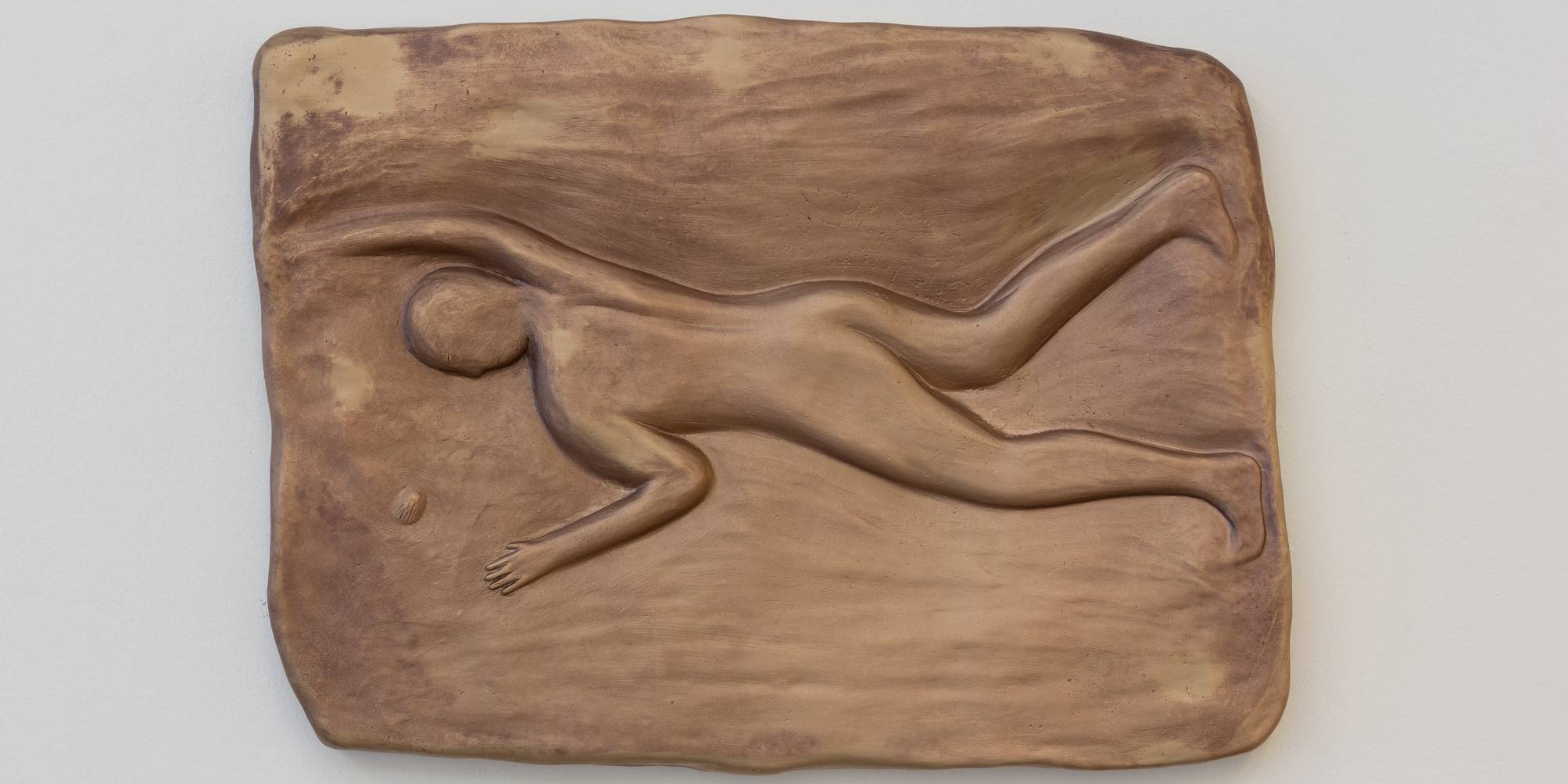
Romanesque Sculpture: Symbolism, Craftsmanship, and Artistic Legacy
Romanesque sculpture is one of the most significant artistic expressions of medieval Europe. Flourishing between the 11th and 13th centuries, it blends religious narrative with architectural integration, resulting in artworks of great spiritual, symbolic, and formal power.
More than decorative elements, these sculptures served as visual theology—communicating sacred stories, moral lessons, and divine presence through form. Today, they remain essential to understanding both historical art and its ongoing impact on modern sculpture, fabrication, and conservation practices.
Key Features of Romanesque Sculpture
Romanesque sculpture is recognized by several distinctive traits:
-
Frontal, rigid figures with simplified proportions
-
Hierarchical scale to signify divine importance
-
Narrative scenes from biblical stories and saints’ lives
-
Symbolic motifs including fantastic animals, demons, and vegetal patterns
-
Architectural integration into capitals, tympanums, arches, and portals
The aesthetic is intentionally solemn and didactic, prioritizing meaning over naturalism.
Materials and Techniques
Depending on region and function, Romanesque sculpture was executed in:
-
Stone (limestone, sandstone) – for church façades, columns, and interior programs
-
Polychromed wood – especially in crucifixes and altarpieces
-
Bronze and metalwork – used for monumental doors, liturgical vessels, and reliquaries
Techniques included direct carving with chisels, casting for metal elements, and pigment application on wood or stone.
At Alfa Arte, we specialize in the restoration and conservation of bronze, aluminum, and steel sculptures, combining traditional expertise with modern methodologies.
Visual Theology in Stone and Metal
Unlike modern sculpture, Romanesque works were not concerned with beauty for its own sake. Instead, they sought to:
-
Teach religious doctrine to a largely illiterate population
-
Warn against sin through graphic depictions of hell or temptation
-
Inspire devotion through symbolic compositions and sacred scenes
Thus, the often abstract, dramatic style was a conscious visual language of the Church, not a lack of skill.
Lasting Influence on Contemporary Practice
The expressive power of Romanesque sculpture continues to inspire today’s artists and conservators. Its focus on essential forms, rhythm, and embedded meaning resonates with modern minimalism and conceptual art.
Contemporary sculptors often reinterpret Romanesque themes through modern materials and methods, including lost wax bronze casting and digital modeling. Others dedicate their efforts to careful restoration, preserving these cultural treasures for future generations.
Final Thoughts: Romanesque Sculpture
Romanesque sculpture represents a pivotal chapter in the evolution of Western art. It speaks to the spiritual, communal, and technical forces that shaped medieval society—offering timeless lessons on the power of form as communication.
At Alfa Arte, we honor this legacy through expert craftsmanship, advanced casting techniques, and conservation services rooted in respect for historical methods. Whether through reinterpretation or preservation, Romanesque art continues to shape how we create and experience sculpture today.