


High Relief vs Low Relief Sculpture: key differences and techniques
From ancient temples to contemporary architectural artworks, relief sculpture has played a central role in the history of art. Understanding high relief vs low relief sculpture helps clarify how artists use depth, volume and surface to create narrative, texture and visual impact.
From a technical perspective, relief sculpture also represents a fascinating intersection between sculpture and architecture, often requiring specialised production processes and close collaboration between artists and workshops.
From its base in Europe, Alfa Arte works within this tradition, supporting contemporary sculptural projects that employ relief techniques in metal and other durable materials.
What is relief sculpture?
Relief sculpture is a sculptural technique in which figures or forms project from a flat background rather than existing fully in the round. The background surface remains an integral part of the artwork, anchoring the composition.
Relief sculpture is traditionally divided into two main categories:
-
high relief (alto relieve)
-
low relief (bajo relieve or bas-relief)
Each approach involves different artistic intentions, technical challenges and production methods.
High relief sculpture: depth and dramatic presence
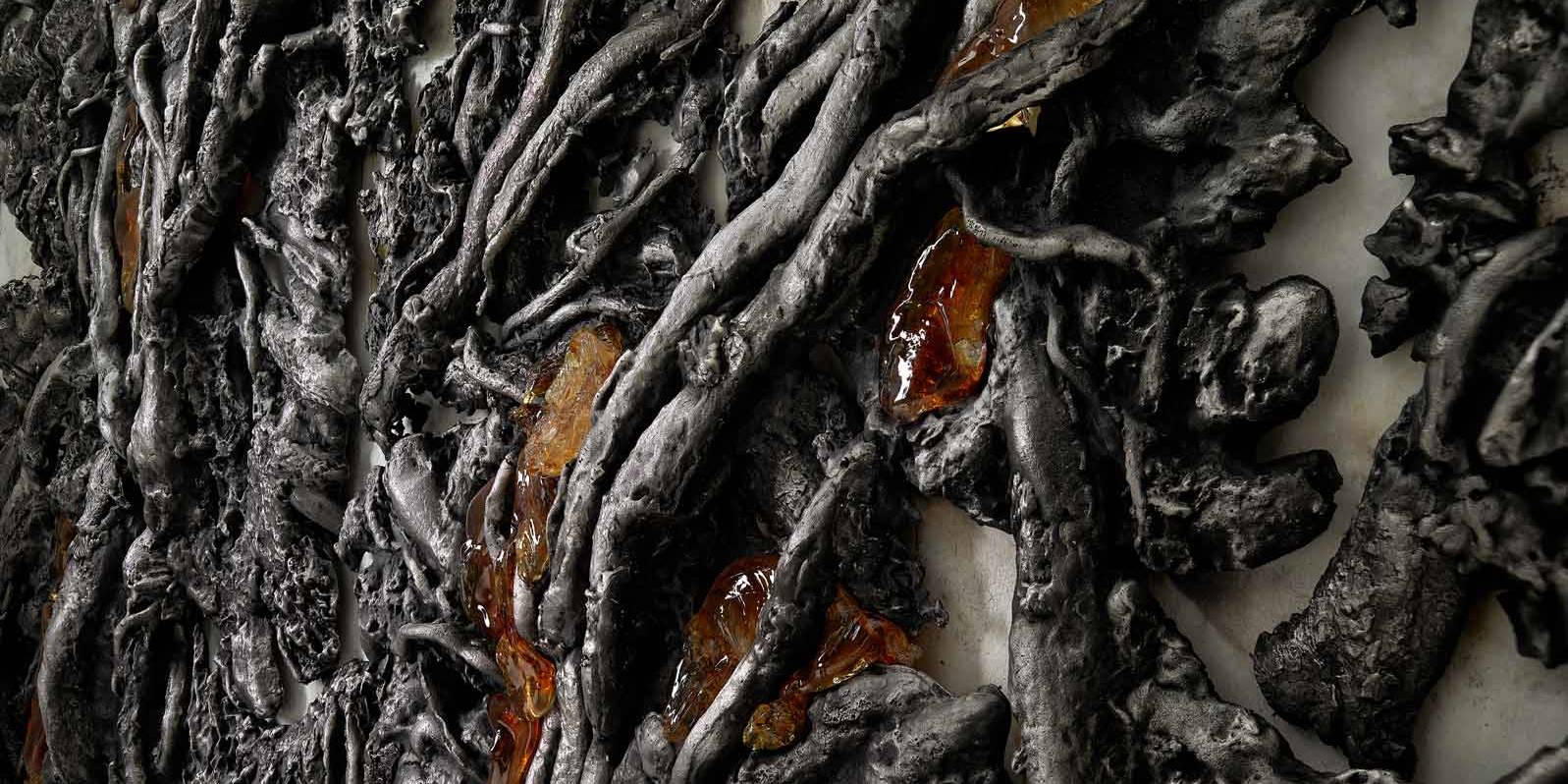
High relief sculpture is characterised by figures that project strongly from the background surface. In some cases, elements may extend more than half of their volume outward, creating deep shadows and a sense of three-dimensionality.
Key characteristics of high relief sculpture
-
Strong projection from the background
-
Dramatic use of light and shadow
-
Partial undercutting of forms
-
Visual impact similar to sculpture in the round
Historically, high relief was widely used in classical Greek and Roman architecture, religious façades and monumental friezes. In contemporary contexts, it is often employed in large-scale architectural projects and public artworks where visual power is essential.
Producing high relief sculptures requires precise structural planning and material expertise, especially when working with bronze, aluminium or stainless steel. These projects are commonly developed through artistic foundry processes for bronze, stainless steel and aluminium sculpture to ensure durability and accuracy.
Low relief sculpture: subtlety and narrative
Low relief sculpture, also known as bas-relief, features forms that project only slightly from the background. Depth is suggested through shallow carving or modelling rather than strong volume.
Key characteristics of low relief sculpture
-
Minimal projection from the surface
-
Emphasis on line, contour and texture
-
Subtle transitions between figure and background
-
Strong narrative clarity
Low relief has been used extensively in coins, medals, architectural decoration and commemorative monuments. Its shallow depth makes it especially suitable for long narrative sequences and surfaces that require structural stability.
In contemporary sculpture, low relief techniques are often applied to metal panels, façades and integrated architectural artworks.
High relief vs low relief sculpture: direct comparison
| Aspect | High Relief | Low Relief |
|---|---|---|
| Depth | Strong projection | Shallow projection |
| Visual impact | Dramatic, sculptural | Subtle, graphic |
| Shadow | Deep shadows | Soft shadows |
| Technical complexity | High | Moderate |
| Structural demands | Significant | Lower |
| Typical uses | Monumental art, façades | Panels, friezes, medals |
This comparison highlights why artists select one approach over the other depending on context, scale and conceptual intent.
Materials and contemporary production
Both high relief and low relief sculptures can be produced in a wide range of materials, including stone, bronze, aluminium and stainless steel. In contemporary practice, metal relief sculpture is particularly valued for its durability and adaptability.
Relief works often require:
-
precise mould making
-
careful control of thickness and weight
-
structural reinforcement for large-scale installations
These aspects underline the importance of collaboration between artist and specialised workshop from early design stages.
Relief sculpture in contemporary art and architecture
Today, relief sculpture continues to evolve. Artists use relief techniques to blur the boundary between sculpture, wall and architecture. High relief offers expressive power and physical presence, while low relief provides narrative continuity and surface refinement.
Both approaches remain highly relevant in public art, memorials and architectural integration, reinforcing the importance of understanding high relief vs low relief sculpture in contemporary practice.
Conclusion: High relief vs low relief sculpture
The distinction between high relief vs low relief sculpture lies in depth, projection and visual intent. While high relief emphasizes volume and dramatic presence, low relief focuses on subtlety, rhythm and storytelling.
Both techniques demand technical precision and material expertise, particularly in contemporary metal sculpture. Behind many relief artworks are specialised workshops such as Alfa Arte, whose role is fundamental in transforming artistic concepts into durable, well-engineered sculptural surfaces.