


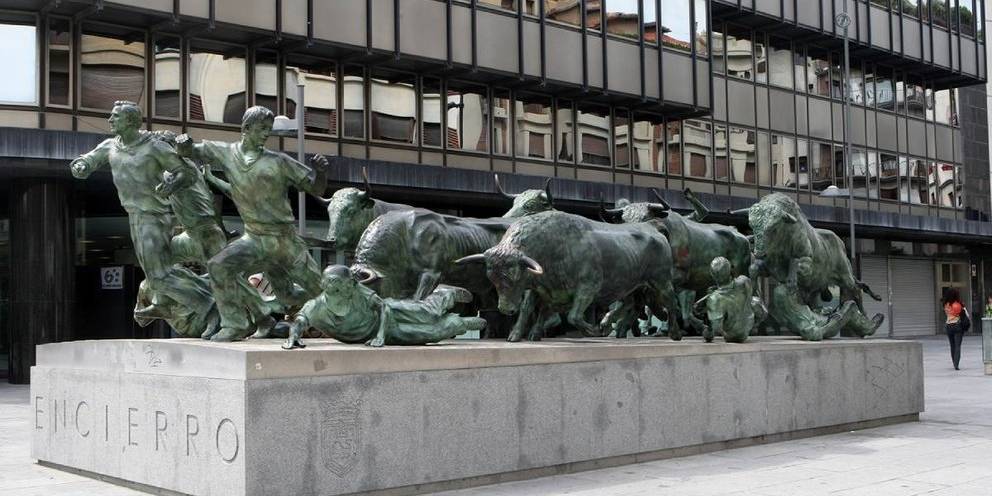
Famous Statues in Spain: iconic sculptures shaping culture and cities
From historic monuments to contemporary public artworks, Spain hosts some of the most significant sculptures in Europe. Many of the famous statues in Spain are deeply connected to their surroundings, shaping city identity and cultural memory.
From a production perspective, Spain also plays a key role in contemporary sculpture through specialised workshops and foundries. From its base in Europe, Alfa Arte has contributed to the technical realisation of sculptures installed in Spanish cities and international contexts, supporting artists whose works define today’s public space.
Ranking: the most famous statues in Spain
1. Peine del Viento – Eduardo Chillida (San Sebastián)
One of Spain’s most iconic sculptures, permanently integrated into the coastal landscape. The dialogue between steel, wind and sea makes it a landmark of European public art.
2. El Pensador (cast) – Auguste Rodin (Madrid)
The presence of Rodin’s work in Spain connects the country to the broader history of modern sculpture.
3. Puppy – Jeff Koons (Bilbao)
A monumental floral sculpture that became a symbol of Bilbao’s cultural transformation and international visibility.
4. Don Quijote y Sancho Panza – Lorenzo Coullaut Valera (Madrid)
A figurative monument deeply embedded in Spain’s literary and national identity.
5. Maman – Louise Bourgeois (Bilbao)
An internationally recognised contemporary sculpture that reinforced Bilbao’s position on the global art map.
These works represent the diversity of styles, periods and meanings that define the most famous statues in Spain.
Northern Spain: sculpture and landscape
In northern Spain, sculpture often interacts directly with nature. In San Sebastián and the Basque Country, artists such as Eduardo Chillida established a sculptural language rooted in landscape, material and space.
This regional tradition continues today through contemporary works integrated into urban and natural environments, many of which require advanced structural solutions and durable materials suited to coastal conditions.
Such projects rely on collaboration with workshops specialised in artistic foundry processes for bronze, stainless steel and aluminium sculpture, where long-term resistance and precision are essential.
Central Spain: monuments and national identity
Madrid concentrates many of Spain’s most traditional monuments. Statues dedicated to writers, historical figures and political leaders reflect the city’s role as cultural and institutional capital.
These sculptures often combine figurative tradition with monumental scale, reinforcing the importance of craftsmanship and material expertise in their production.
Southern and Eastern Spain: tradition and contemporary presence
In southern and eastern Spain, sculpture blends historical heritage with contemporary intervention. From Andalusian cities to Mediterranean coastal areas, statues coexist with architectural and archaeological contexts.
Contemporary public sculptures in these regions increasingly engage with abstraction, material experimentation and large-scale installation.
The role of production in famous Spanish statues
Behind many of the famous statues in Spain lies a complex process of design, fabrication and installation. Contemporary sculpture, in particular, depends on close collaboration between artists and specialised production teams capable of translating conceptual ideas into permanent public works.
Spain’s strong tradition in metalwork and artistic casting has positioned the country as an important hub for sculptural production at an international level.
Conclusion: Famous statues in Spain
The famous statues in Spain reflect the country’s artistic diversity, from historical monuments to contemporary public icons. Integrated into cities and landscapes, these works shape cultural identity and collective memory.
Behind many of today’s sculptures are specialised workshops such as Alfa Arte, whose technical expertise enables artists to realise ambitious projects with precision, durability and international reach. Through this collaboration between art and technique, Spain continues to play a central role in the global sculptural landscape.